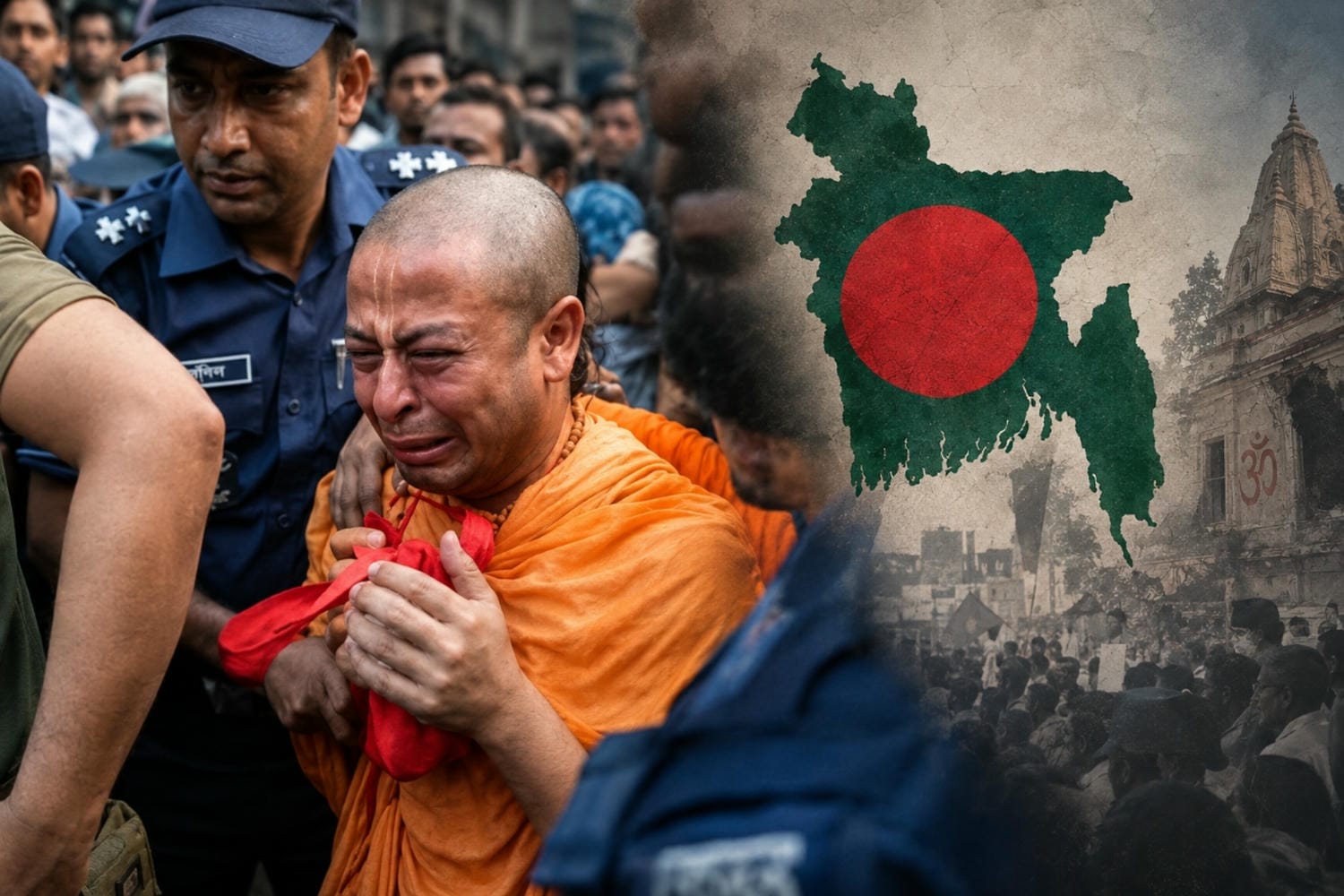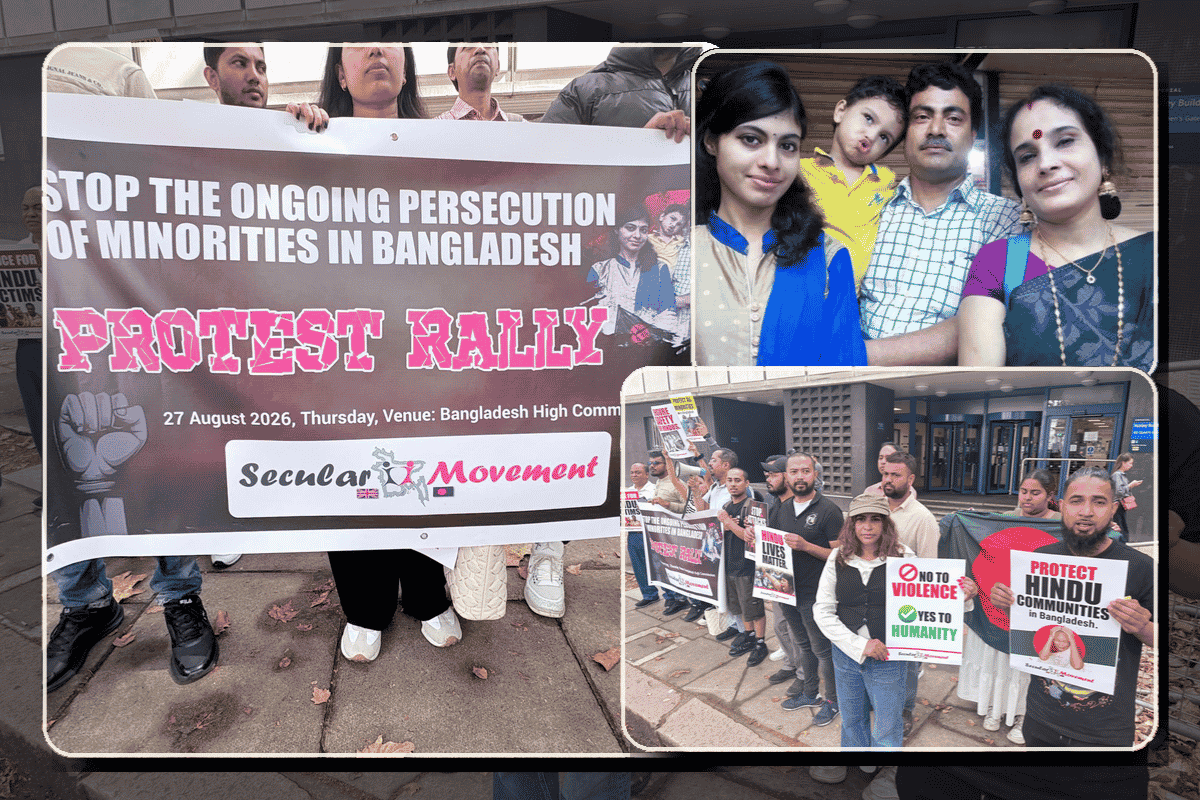
A couple of months ago, INSIGHT UK warned that Deepavali (Diwali) celebrations in Britain were being steadily pared back in ways that felt like a step-by-step curtailing of Hindu freedoms.
Read here: The changing landscape of Diwali in Leicester: Once a beacon of unity, now suppressed
In Leicester, events that once drew crowds of up to 50,000 were scaled back, with stage entertainment, fireworks, and communal activities removed, leaving only lights and the Wheel of Light. In Birmingham, the Diwali Mela was postponed for a second year, as safety regulations, funding pressures, and expanded security requirements combined to make the event harder to stage. Taken together, these developments point to a troubling shift for British Hindus: public religious expression is not being banned outright, but steadily narrowed. What begins with one community rarely ends there. The quiet normalisation of reduced visibility for Hindu festivals raises broader questions about how securely any faith can exist in Britain’s public life.
This pattern of restriction unfolded against the backdrop of a devastating antisemitic attack during Yom Kippur celebrations in Manchester, where an Islamic terrorist drove a car into worshippers and then stabbed people outside the Heaton Park Hebrew Congregation synagogue. The attack left two Jewish worshippers dead and several others seriously injured before armed police shot and killed the assailant; police treated the incident as a terrorist attack and increased security at Jewish sites afterward. For many (including Hindus, who deeply empathise with the rise of antisemitism in the UK), it crystallised a fear that faith communities in Britain are facing a slow erosion of their right to celebrate, worship, and exist openly without suspicion, restriction, or threat.
Over the past few years, Christmas markets all over Europe have faced heightened jihadist threats, with several foiled Islamist-inspired plots. Notable disruptions include arrests in Germany (e.g., five suspects in Bavaria in December 2025 planning a vehicle ramming) and Poland (an ISIS-linked explosives plot targeting a market in 2025), alongside earlier 2023 plans against markets in Germany and Austria. The 2024 Magdeburg car-ramming killed six and injured over 300, but was officially classified as a non-terrorist rampage.
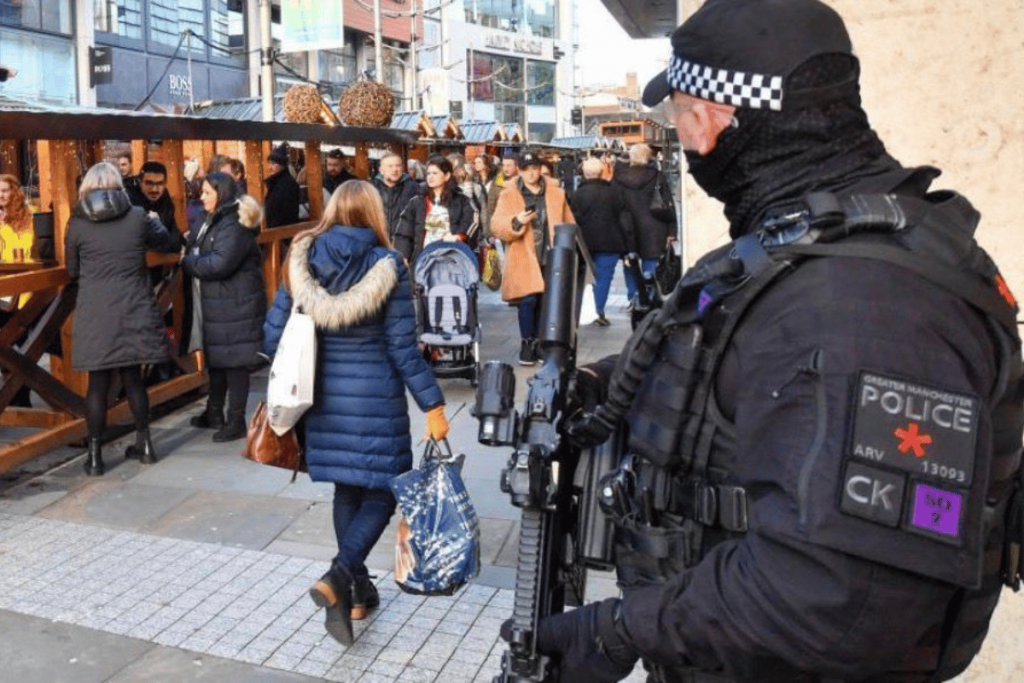
Thankfully, no such events have happened in the UK during Christmas. But thousands of Christmas market goers have noticed changes around Christmas markets this year: fortress-like concrete barriers and a heightened police presence are becoming the norm. Christmas is a British festival, and British Hindus, having integrated successfully into British culture, are worried by these changes.
This trend is replicated across communities of other faiths. Ruth Jacobs, chair of Birmingham and West Midlands Jewish Community, said increased security was now necessary at synagogues in the city. A report by Pool Reinsurance (the UK’s largest terrorism risk insurer) in 2024 stated that Hindu temples in the UK face a realistic possibility (40–54% chance) of terrorist attacks, particularly in major cities or areas with a history of anti-Hindu incidents.
So what should we expect in 2026? 2025 has thrown us the devastating major terrorist attack on Heaton Park Synagogue by Islamist terrorists, the ongoing curtailing of Diwali celebrations in Birmingham, and heightened security at Christmas markets across the UK. Is shutting down festivals the only way to keep communities safe, or can we find a way to celebrate openly despite the threats?