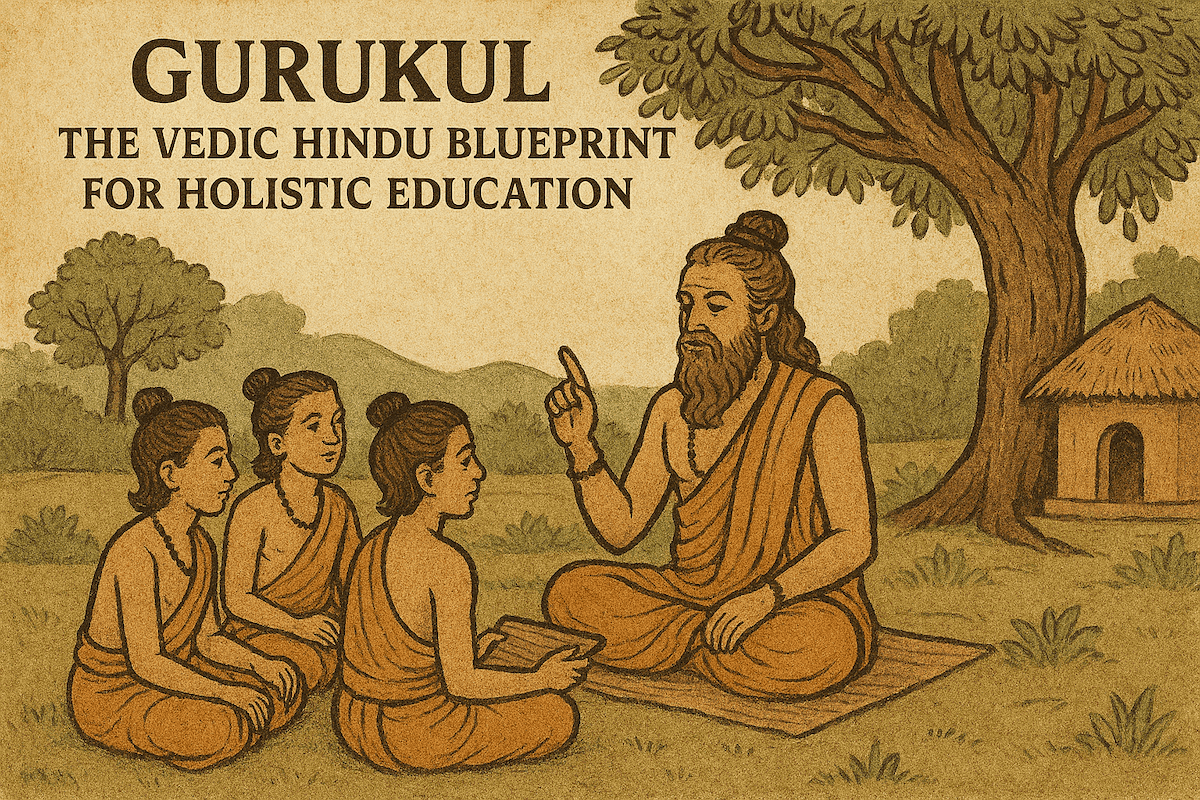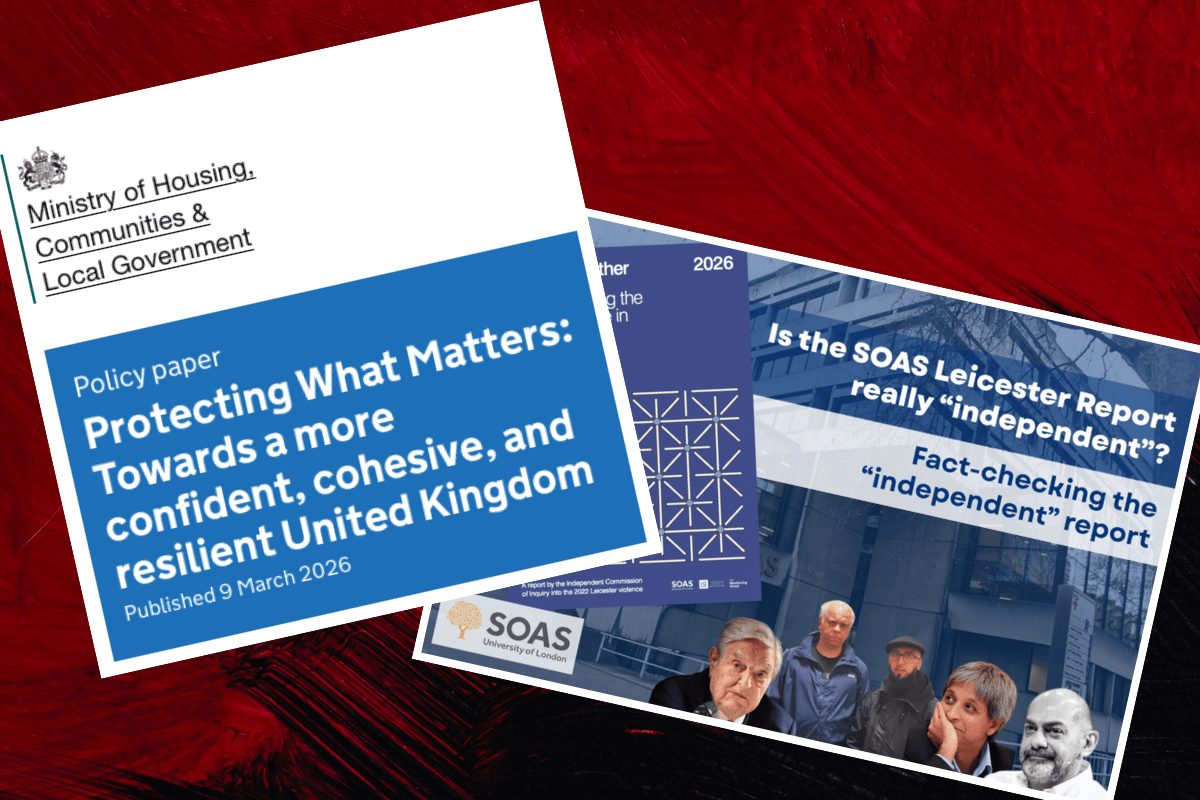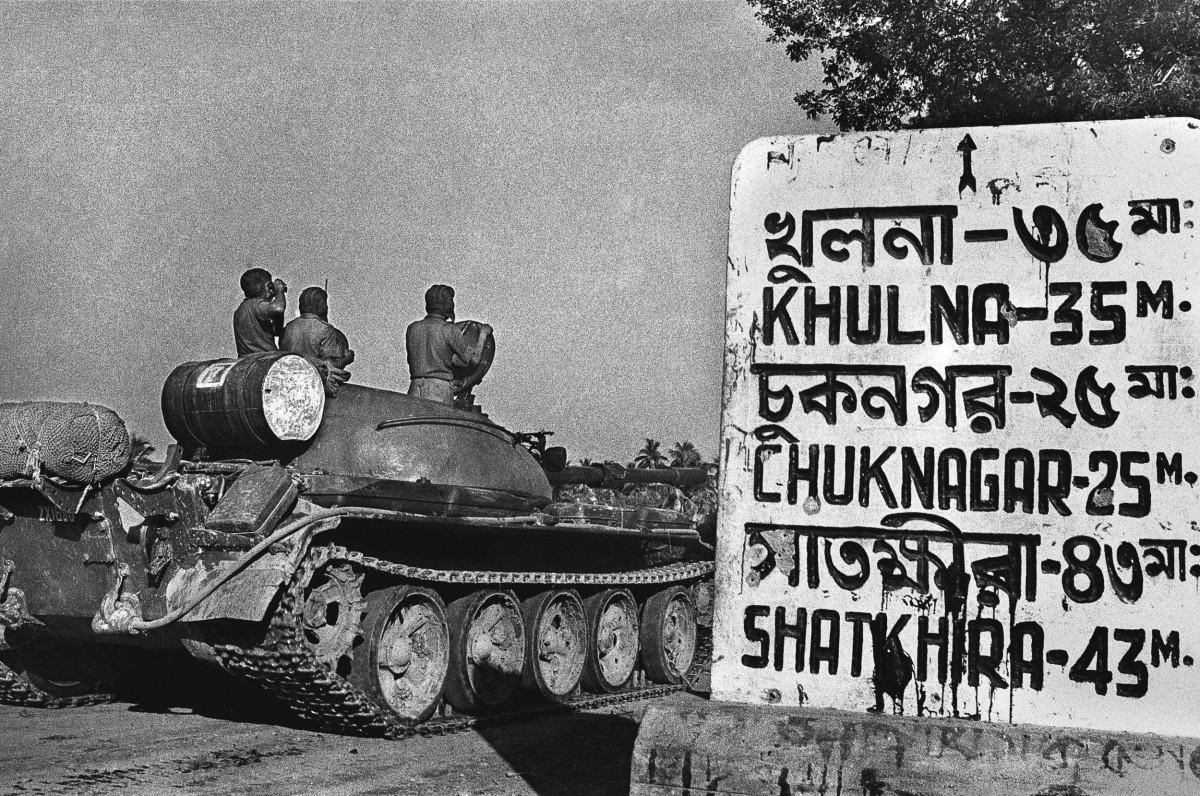
In today’s fast-paced world, success is often measured by wealth, status, and professional achievement. For many prosperous Hindus, life revolves around business, networking, and climbing the social ladder. While these pursuits are commendable, they often come at a cost: the gradual erosion of cultural knowledge and spiritual identity.
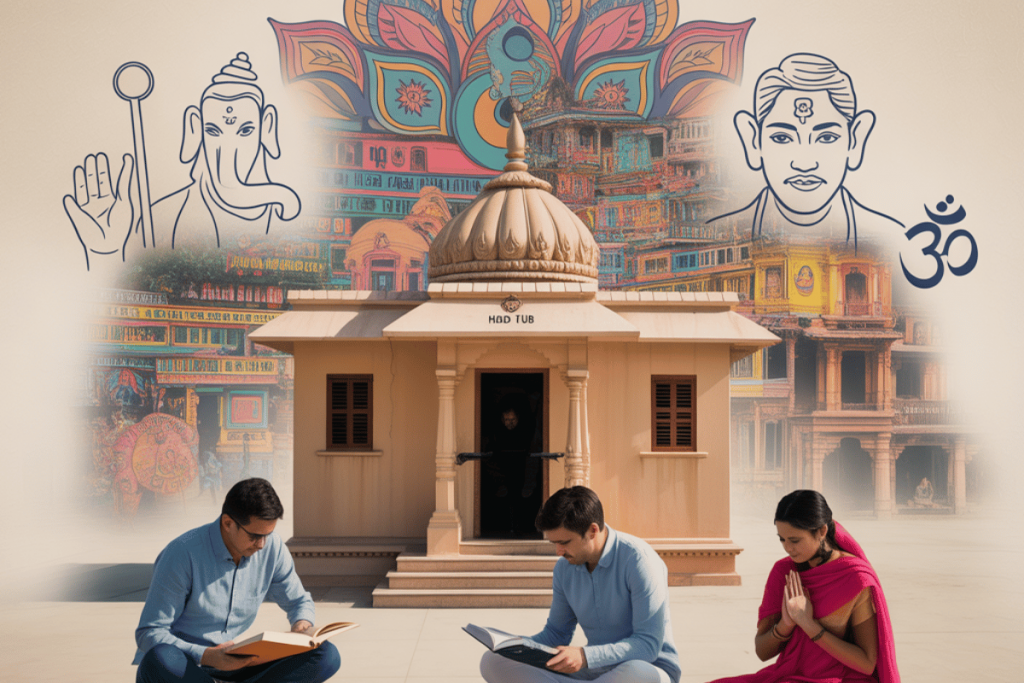
Too many find themselves “Hindus in name only”, attending rituals out of habit, celebrating festivals without understanding their meaning, and raising children who know little about the rich traditions that shaped their ancestors.
This dilution of knowledge is not merely a personal loss; it represents a collective vulnerability. When families lack a deep understanding of their faith, they become susceptible to external influences, unable to articulate the wisdom behind their customs or defend their values. The result is a generation that may identify as Hindu, but whose connection to Sanatana Vedic Dharma (Hinduism) remains superficial at best.
The danger of being “Hindu in name only”
The phrase “Hindu in name only” (HINO) describes those who retain their Hindu identity on paper but have little engagement with its philosophy, rituals, or ethics. For busy professionals, this is rarely a conscious choice. The demands of work, the allure of [one-way] secularism, and the pressure to assimilate into global business culture often push religious and cultural education to the side-lines. Over time, traditions become empty rituals, and the rich tapestry of Hindu philosophy fades into the background.
This lack of knowledge leaves families vulnerable. When faced with questions about their faith or challenged by alternative worldviews, they may have no answers. They may even feel embarrassed or defensive, unable to explain why certain customs matter or what their scriptures teach. In such moments, the risk of conversion, whether to another religion or simply to a rootless, materialistic worldview, increases dramatically.
Wealth and Wisdom: Why both matter
There is no contradiction between being successful and being deeply rooted in one’s culture. In fact, the two can, and should, complement each other. Hinduism has always celebrated the householder (grihastha) who balances worldly responsibilities with spiritual growth. The Vedas, Upanishads, and epics like the Mahabharat and Ramayan are filled with stories of kings, merchants, and warriors who were both prosperous and deeply spiritual.
True prosperity encompasses more than financial wealth; it includes cultural and spiritual richness. By investing time in understanding their heritage, prosperous Hindus can enrich their lives and those of their families. They can pass on not just wealth, but wisdom, values like dharma (righteousness), seva (service), and karuna (compassion) that have sustained Hindu society for millennia.
A Call to Action: Reclaiming cultural roots
Here are practical steps for busy Hindus to reconnect with their heritage:
Set aside time for learning: Even a few minutes daily can make a difference. Read a verse from the Bhagavad Gita, listen to a podcast on Hindu philosophy, or attend a cultural lecture. Knowledge is power, and it begins with small, consistent efforts.
Engage with the community: Join local Hindu organisations, participate in festivals, and support cultural initiatives. Community is a powerful source of inspiration and accountability.
Teach the next generation: Share stories, traditions, and values with children. Make Hinduism a living, breathing part of family life, not just a label.Balance secularism with spirituality: There is no need to abandon secularism or professional success. Instead, integrate cultural wisdom into daily life, using it as a guide for ethical decision-making and personal growth.
The reward of reconnection
Reconnecting with Hindu heritage is not about rejecting modernity or retreating into the past. It is about enriching the present with the wisdom of the past. By understanding their roots, prosperous Hindus can build stronger families, more resilient communities, and a more meaningful life. They can become role models, not just for their professional achievements, but for their cultural pride and spiritual depth.
In a world that often values wealth above all else, let us remember that true prosperity lies in the balance of material success and cultural wisdom. Let us reclaim our heritage, not as a burden, but as a source of strength and inspiration for generations to come.
Time for action
Strengthening Hindu identity demands more than preservation; it requires revitalisation through knowledge and awareness. The “Knowledge & Awareness Hub” represents a practical, inclusive pathway forward, bridging the gap between heritage and modernity. By investing in education and vigilance, Hindus can not only protect their legacy but also enrich it for future generations. The time to act is now; let us build a foundation where identity is not merely inherited, but consciously cherished and confidently expressed.
Appendix I: Geopolitical Awareness and Hindu Communities
In an interconnected world, geopolitics shapes economic stability, cultural freedom, and community security. For Hindus, understanding this landscape is essential for protecting civilisational continuity and family interests. Modern power struggles, information wars, and ideological campaigns operate across borders, influencing media, academia, law, and corporate policies in ways that can undermine traditional values.
When prosperous, educated Hindus focus solely on personal gain whilst ignoring geopolitical currents, they risk waking to find hostile narratives already normalised in schools, media, and public policy. By then, their children may have absorbed worldviews that regard Hindu traditions as outdated or oppressive. Geopolitical awareness means being alert and informed—knowing which groups support or oppose Hindu civilisation globally, how international events influence domestic discourse, and how policies can affect cultural security.
For busy professionals, this awareness requires small but consistent effort: following serious news sources, listening to thoughtful discussions during commutes, and occasionally attending talks linking history, culture, and international affairs. The aim is to ensure successful Hindus do not become strangers to their own civilisation. When financial strength combines with civilisational clarity, families can support institutions, education, and media that safeguard their cultural legacy.
For Indians abroad, this matters even more. Global respect is tied to India’s strength; visa policies reflect geopolitical relationships; family roots remain connected to India’s stability; and hostile narratives require informed diaspora responses. Understanding geopolitics is understanding responsibility—using influence to stand with clarity and dignity, anchored in one’s identity.
Appendix II: White-Collar Ideological Warfare
Many ideological battles today occur not on streets but in boardrooms, classrooms, media studios, and NGOs. The term “white-collar jihadi” describes educated, professionally successful individuals who consciously or unconsciously support extremist or anti-Hindu narratives through finance, lobbying, and propaganda. Their impact proves more lasting than violence because they shape societal thinking and normalise hostile perspectives.
For prosperous Hindus in elite circles, understanding this phenomenon is crucial. Many interact with colleagues or “experts” who present as neutral whilst steadily delegitimising Hindu civilisational history and demonising Hindu symbols. Unprepared Hindus either stay silent, accept these ideas to appear “modern,” or fund networks working against their interests. This silence is precisely what ideologues rely upon—a class of culturally insecure Hindus who will not resist.
Recognising white-collar ideological warfare does not mean distrusting every colleague from different backgrounds. It means distinguishing genuine pluralism from systematic warfare disguised as human rights or social justice. It means asking critical questions: Who funds this campaign? Why are only certain atrocities highlighted? Why is Hindu identity portrayed as problematic when evidence is complex?
Practical steps include checking the backgrounds of organisations before donating, scrutinising narratives before amplifying on social media, and vetting speakers invited to children’s schools. Respond with clarity, not anger. When financial success combines with cultural understanding and sharp awareness of ideological manoeuvres, Hindus ensure resources support institutions that are genuinely plural and respectful of Hindu civilisation.
Appendix III: Conversion Machinery and Vulnerable Communities
Contemporary Hindu identity faces subtle erosion through superficial engagement—many identify as Hindu through familial ties or sporadic rituals without deeper philosophical understanding. This creates vulnerability, particularly for families facing economic pressures who may rent affordable accommodation in environments with dominant cultural or religious influences. Financial necessity can overshadow cultural preservation, placing individuals in settings rife with subtle persuasion.
Compounding this is organisational asymmetry. Whilst Hindu communities operate without centralised structures—a hallmark of Hinduism’s decentralised nature—missionary organisations invest heavily in conversion strategies. They conduct structured courses teaching persuasive techniques, cultural adaptation, and targeted outreach. This creates one-sided dynamics: one community advances with intent, whilst the other remains largely uninformed about its own tenets.
A proactive solution is establishing Knowledge & Awareness Hubs offering two tracks. Track One (“Know Your Roots”) provides concise materials on foundational Hinduism: understanding dharma, explaining decentralisation as a strength, moving beyond rituals to values, teaching children through stories, and recognising real-life risks in vulnerable conditions. Track Two (“Awareness of Conversion Machinery”) maintains factual watchlists of active conversion groups, courses, and tactics, compiled through community intelligence and public records.
Anticipated outcomes include increased cultural confidence, greater awareness, reducing conversion efficacy, prevention of exploitation in vulnerable settings, growing educational libraries transforming “Hindu by name” into “Hindu with understanding,” and community initiatives like discussion groups or youth workshops. By fostering knowledge and awareness, vulnerable families gain tools to resist manipulation whilst strengthening their connection to heritage.
Appendix IV
Economic Warfare and Financial Networks
In a globalised economy, money does not merely move goods and services; it also moves ideas, loyalties, and power. Economic warfare describes the deliberate use of financial tools, sanctions, funding networks, and market pressure to weaken communities that are perceived as obstacles to particular ideological or geopolitical projects. For Hindus, this can manifest in subtle ways: from targeted divestment campaigns against Indian industries to donor ecosystems that consistently fund narratives hostile to Hindu civilisational interests, while starving institutions that defend them.
Understanding financial due diligence, therefore, becomes more than a business best practice; it is a form of civilisational self-defence. Before donating to NGOs, think tanks, or media platforms, prosperous Hindus must learn to ask simple but critical questions: Who funds this organisation? What positions does it take on Hindu traditions, Indian sovereignty, and civilisational history? How transparent is its reporting and governance? By insisting on clarity, families can ensure that their hard-earned wealth is not quietly redirected into campaigns that delegitimise their own identity.
Building economic resilience requires intentional networking among values-aligned professionals, entrepreneurs, and investors. Strategic investments in education, cultural projects, media ventures, and technology platforms that respect Hindu civilisation can create an ecosystem where wealth circulates in ways that strengthen, rather than erode, community confidence. Over time, such networks can support scholarships, research chairs, legal defence funds, and social enterprises, ensuring that economic success is firmly anchored to cultural responsibility.
Appendix V
Media, Academia, and Narrative Control
In the modern age, power often lies less in raw force and more in the ability to define what is considered “normal,” “progressive,” or “backward.” Media outlets, academic institutions, and cultural gatekeepers play a decisive role in shaping how Hindu traditions, symbols, and history are perceived by both insiders and outsiders. When there is a systematic bias—whether through selective reporting, loaded terminology, or one-sided case studies—the result is a steady erosion of legitimacy for Hindu perspectives, even without any open ban or censorship.
Narrative control is rarely accidental. It emerges from who owns media houses, who funds university departments, what research gets promoted, and which voices are consistently elevated or excluded. When chairs, grants, and fellowships are disproportionately steered towards those who view Hindu civilisation through a hostile or reductionist lens, the public record becomes skewed over time. This affects not just policy debates but also how young Hindus come to see themselves—often internalising the idea that their heritage is uniquely problematic or inferior.
A strategic response requires going beyond complaints and building alternatives. This includes supporting independent media platforms, creators, and scholars who present balanced, rigorous, and context-rich accounts of Hindu traditions. Content creation—whether through documentaries, podcasts, online courses, or youth-oriented digital campaigns—can reclaim space in the information ecosystem. At the same time, Hindus must cultivate media literacy, learning to question framing, check sources, and recognise when “neutral analysis” is actually encoded activism. By doing so, they transform from passive consumers of narratives into active participants in shaping them.
Appendix VI
Education System Infiltration
Schools and universities are where worldviews are quietly moulded. When curricula caricature Hindu traditions, erase civilisational achievements, or present history through a one-dimensional lens, children are subtly conditioned to distance themselves from their own roots. Education system infiltration refers to the process by which ideological groups influence syllabi, teacher training, and school culture to normalise disdain or indifference towards Hindu civilisation, often under the banner of modernisation or critical theory.
Historical distortions in textbooks—whether through minimising ancient scientific, philosophical, and artistic contributions or exaggerating internal conflicts—create a narrative arc in which Hindu society appears uniquely oppressive or stagnant. Elite schools may reinforce this through an informal culture that mocks traditional practices, ridicules Sanskritised names, or equates Westernisation with sophistication. The “modernisation trojan horse” enters when genuine aspirations for quality education are coupled with unexamined ideological content that alienates children from their families’ values.
Parents and community leaders cannot afford to remain distant from these processes. Practical steps include: reviewing textbooks and raising concerns through formal channels; organising parent groups to request balanced supplementary materials; inviting thoughtful speakers who can present Hindu perspectives with nuance; and creating after-school study circles where children can explore their heritage in a safe, curious environment. Even small initiatives—a local reading club, a heritage storytelling hour, or collaborative projects on Indian sciences and arts—can counterbalance hostile influences and restore pride without resorting to aggression.
Appendix VII
Legal Warfare and Institutional Capture
In a rules-based society, courts, commissions, and regulatory bodies wield enormous influence over what is permissible in public life. Legal warfare occurs when laws, regulations, and litigation are selectively deployed to harass, intimidate, or constrain Hindu individuals and organisations, while similar or more serious violations by others are overlooked. This is often accompanied by institutional capture—where bodies that claim neutrality or human-rights concern are gradually staffed, funded, and ideologically shaped by groups with a consistent record of hostility towards Hindu interests.
Selective enforcement and strategic litigation can take many forms: repeated public interest lawsuits against Hindu temples or cultural events; disproportionate scrutiny of Hindu charities; or policies that control temple administration while leaving other religious institutions largely autonomous. Over time, such patterns create a chilling effect, discouraging community initiatives and normalising the idea that Hindu organisations are inherently suspect and must be micro-managed by the state or external watchdogs.
Building a legal defence infrastructure is essential. This includes training and supporting lawyers who understand both constitutional rights and civilisational nuances, creating legal aid funds for individuals or institutions facing targeted cases, and documenting patterns of bias with professionalism and restraint. Prosperous Hindus can sponsor research on religious-freedom jurisprudence, support public-interest interventions that defend equal treatment, and encourage youth to consider careers in law and public policy. Legal literacy campaigns—short guides on basic rights, compliance, and grievance redressal—can ensure that even small community groups are not easily bullied by procedural intimidation.
Appendix VIII
Demographic Awareness
Demography is often described as destiny because population trends quietly shape political power, cultural continuity, and social stability over generations. For Hindu communities, demographic awareness means understanding how birth rates, migration patterns, and settlement changes affect the character of neighbourhoods, districts, and entire regions. When traditional Hindu-majority areas experience rapid demographic shifts without foresight or preparation, the result can be social tension, marginalisation, and gradual loss of cultural space.
Consequences of unmanaged demographic change may include reduced representation in local institutions, increased vulnerability to targeted conversion efforts, and pressure on temples, festivals, and public expressions of culture. Yet demographic consciousness must never slide into hatred or dehumanisation. The aim is not to fear other communities, but to plan intelligently for the long-term well-being of one’s own, while upholding dignity and lawful coexistence.
Practical steps include encouraging balanced family planning decisions that consider both economic capacity and civilisational continuity, supporting affordable housing and livelihoods that allow Hindu families to remain rooted in their localities, and building community institutions—schools, cultural centres, clinics—that make areas attractive and resilient. Data-driven community planning, grounded in compassion and prudence rather than alarmism, can ensure that Hindus remain confident contributors to diverse societies without quietly disappearing from the very spaces their ancestors once nurtured.
Appendix IX
Technology, Surveillance, and Digital Threats
As Hindu organisations and families embrace technology for coordination, education, and outreach, they also enter a domain where vulnerabilities multiply. Digital threats range from simple hacking attempts and phishing scams to sophisticated surveillance by hostile actors who monitor communications, track donors, and map networks for future targeting. When community emails, messaging groups, or donor databases are compromised, the impact can be severe—ranging from reputational attacks to direct physical danger in sensitive environments.
Surveillance is no longer confined to state agencies; ideological groups, data brokers, and foreign entities can all gather information through social media scraping, compromised devices, or infiltrated communication channels. For Hindu institutions that handle sensitive information about volunteers, children’s programmes, or political advocacy, weak cybersecurity is a silent invitation to disruption. Digital resilience thus becomes an integral component of overall civilisational resilience.
Protecting community data and communications does not require every organisation to become a tech company, but it does demand basic discipline. Measures include: using strong authentication; regularly updating software; limiting access to sensitive files; conducting simple security training for volunteers; and, where possible, consulting professionals for risk assessments. Encrypted messaging, secure payment gateways, and privacy-conscious data storage should become standard rather than optional. By treating digital hygiene as seriously as physical safety, Hindu communities can continue using technology as a force multiplier without exposing themselves to avoidable harm.