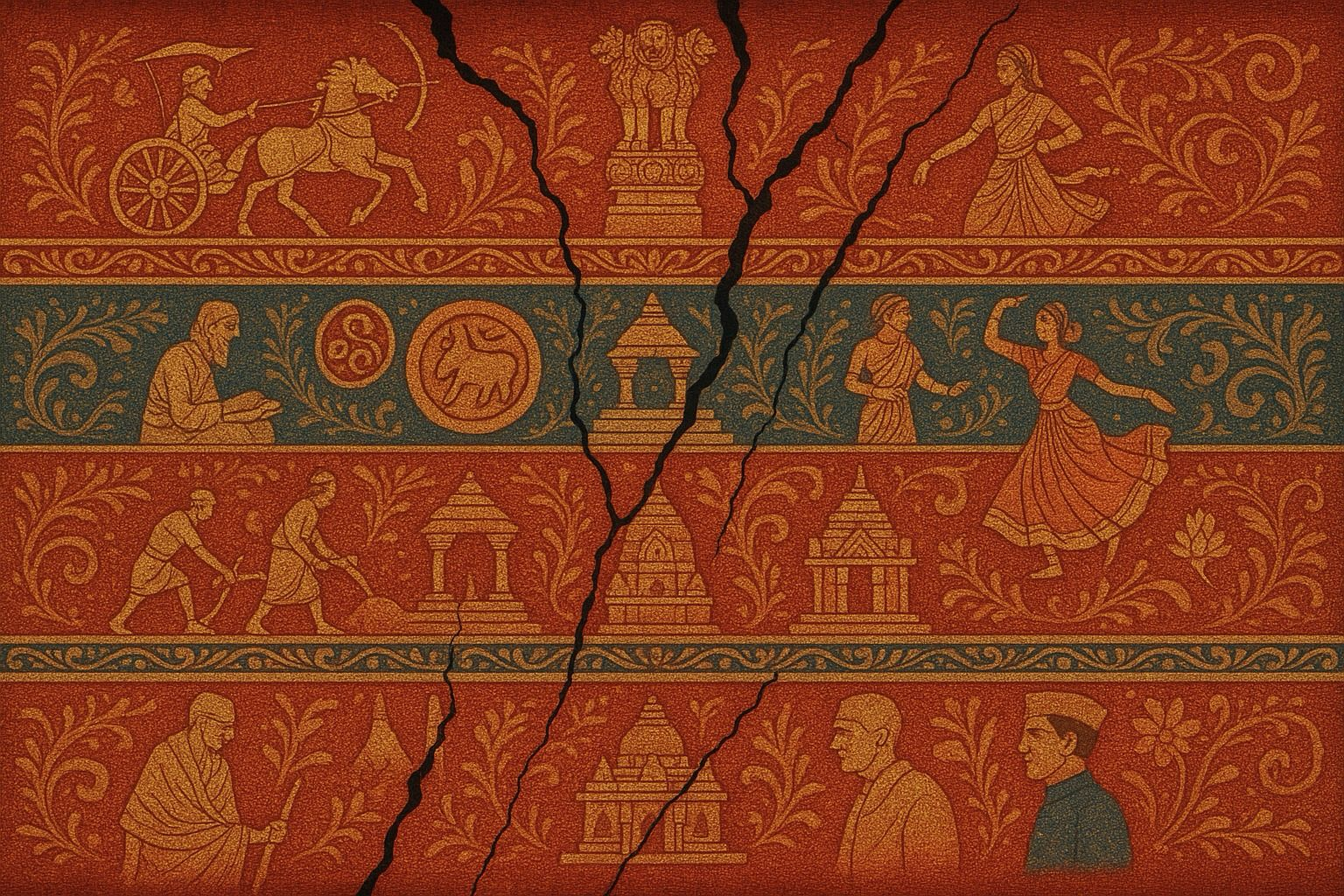
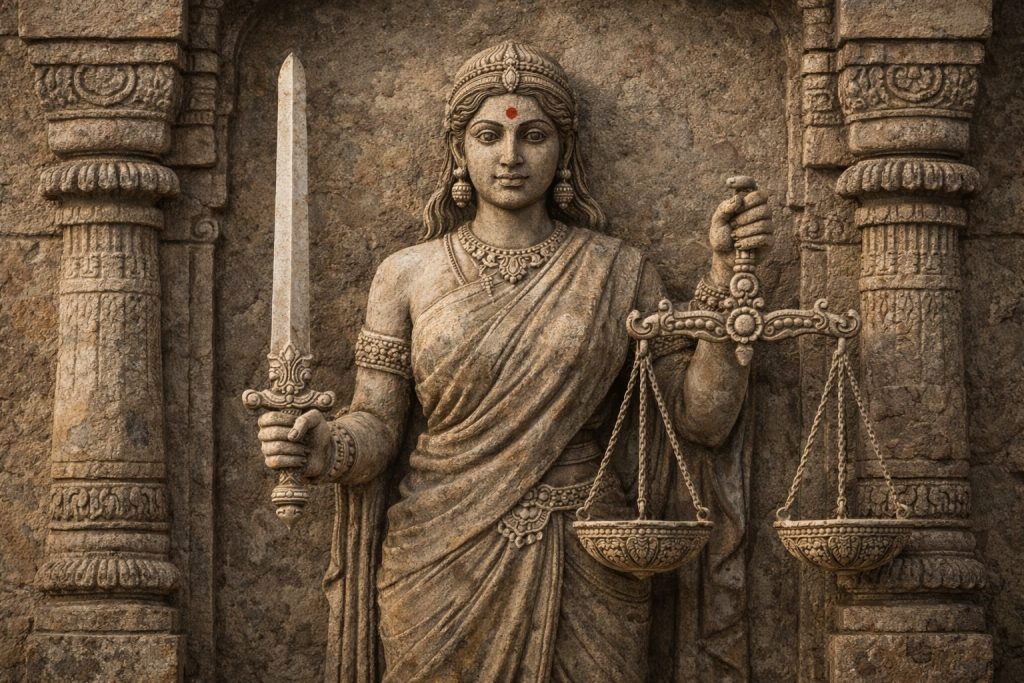
The concept of restorative justice is fundamental in understanding how Hinduism may navigate the existential crisis that the turbulent passage of time imposes upon it, to find its place at the table in the worlds of today and tomorrow. Hostile forces actively seek to deny Hindus the right to restorative justice, by various means. This article raises awareness about this concept and takes a deep dive into just some ways it can and should be applied to situations that Hindus face.
INSIGHT UK has published a number of articles raising awareness of anti-Hindu hate in the UK and across the world, its manifestations, origins, root causes, its relation to anti-India hate, and its effect on the Indian diaspora. Despite being the victims, Hindus are often portrayed as the oppressors, and deliberately mislabelled as right wing and fascist as a way to subvert the truth.
We now live in a dystopian world; the COVID-19 pandemic and the sudden; seemingly random release of the Epstein Files are only a couple of examples of forces beyond our control that appear to reinforce our own helplessness. As discussed in previous articles, anti-Hindu hate itself is both a weapon and a manifestation of this very dystopian geopolitical reality where ethics and morals do not exist and when they do, it’s based on the entity’s civilisational view prism. It therefore becomes incumbent on us as individuals and communities to be our own advocates and fight our own corner, as our ancestors did before us.
How do we move forward from repeated cycles of anti-Hindu hate? Is there a roadmap to setting the record straight and healing as a civilisation? Restorative justice is a concept that is increasingly in vogue in various policy domains but, rather conveniently, has hitherto never really been applied to the Hindu condition in today’s day and age. While this may be by design of global and regional narrative setting, it still can be scrutinised for positive change. This article explores just some of the ways this concept can be applied to the challenges faced by Hindu Dharma today, as Hindus navigate their quest for justice as well as the future survival of the only major surviving old-world civilisation and culture.
For the purposes of this article, the terms Hinduism or Hindu civilisation encompass Sanatana Dharma, all of the ancient knowledge systems and all aspects of native religion, culture, philosophy and spirituality originating from the sacred geography of the greater Indian subcontinent. This represents the ancient land of Bhārat known to the Ancient Persians/Greeks as India (lands around & beyond the river Indus/Sindhu) and the wider Indosphere of Akhand Bhārat that predates the modern nation states of today.
What is restorative justice?
Restorative justice is a term that can be used at the level of individuals as well as entire communities. In national and global contexts, it is an approach to justice that centres on the repair of harm experienced by victims. For persecuted communities and religious groups, this means prioritising truth-telling, acknowledgment, participation, and material and symbolic repair as foundations for long-term safety and dignity. It connects individual and civilisational healing with structural change, especially where harm has been widespread and rooted in discrimination, misinformation or persecution.
What restorative justice means
Restorative justice is commonly described as a set of practices and principles that seek to address the harm caused by wrongdoing by involving all affected parties in dialogue, decision-making, and agreed forms of reparation. It contrasts with retributive systems that treat crime mainly as an offense against the state, by framing wrongdoing as a violation of people and relationships that must be repaired. Many contemporary approaches trace their roots to Indigenous peace-making traditions and community-based conflict resolution, emphasizing inclusion, accountability, and healing.
At its core, restorative justice aims to answer three questions: who was harmed, what do they need, and whose obligations are these needs. This includes victims, offenders, and broader (local and global) communities and organisations, recognising that harms radiate outward in social, psychological, and spiritual ways. For persecuted or marginalized groups, this framework explicitly validates the collective dimension of harm, including attacks on identity, culture, religion and historical revisionism.
The first thing to remember when relating restorative justice to Hindu causes
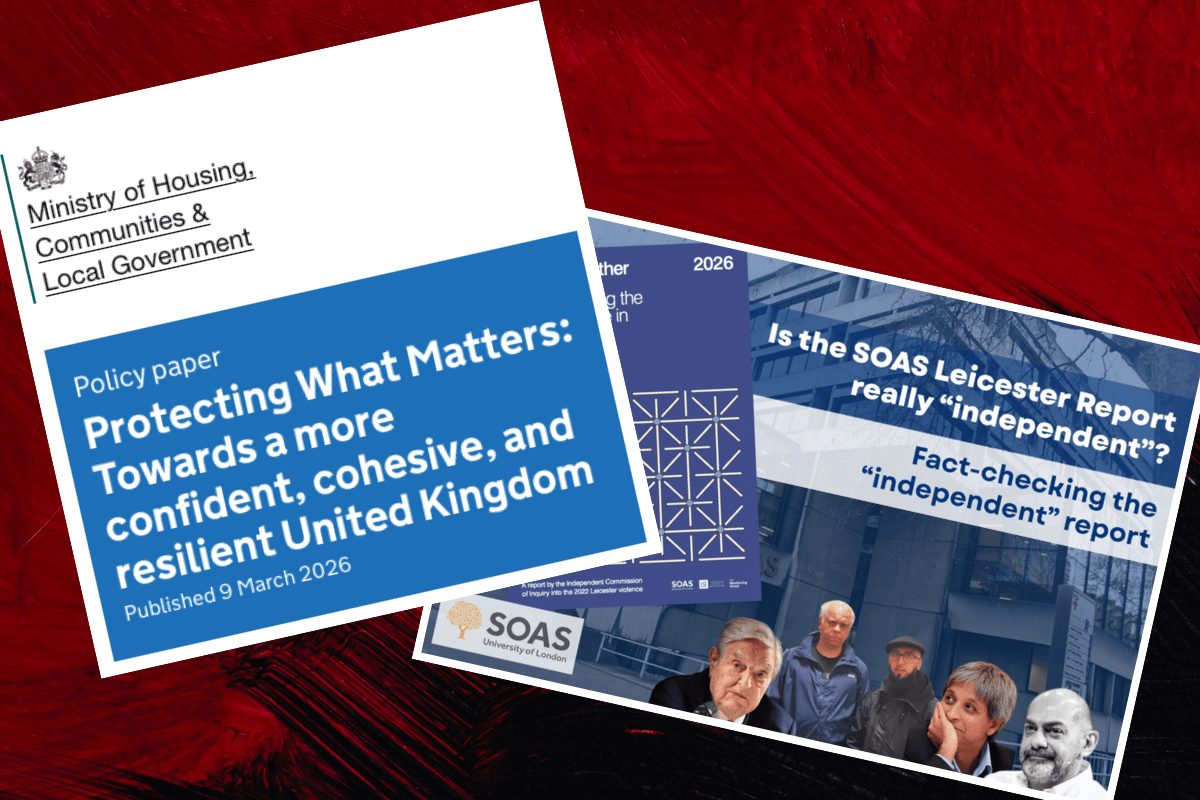
Hindu nationalist, Hindutva extremist, right wing, fascist, Brahminical supremacist – these abusive, slanderous and misleading terms have made their way into common parlance, social media, academia, politics, journalism….indeed all spheres of society with the purposeful intent on bullying the latter community, rather than the hostile behaviours being rooted in ignorance. The mythical Hindutvavadi RSS bogey-man has become the scapegoat for all evil. But scratch the surface and what do you find? Hindus are the victims and not the creators of the situation. These terms are used to inject fear into both Hindus (fear of being mislabelled) and into the lay public (to detract from the truth and perpetuate the agenda of anti-Hindu hate/ visualise Hindus with suspicion). But what is the ground-level reality? Is the RSS truly bad? Is Hindu majority India associated with the diminishment of minorities or the population expansion and thriving of minorities? Can the same be said – throughout history – of countries that are constitutionally and nationally Islamic or Christian? Are Hindus trying to turn the world Hindu by a well-funded multi-pronged conversion machinery? Or are Hindus the actual target? Are Hindus seeking global geopolitical dominance using deep state mafia and any means possible? Who started the violence in Leicester? How much aggression or spread of misinformation can be attributed to the Hindu community? Why is a red carpet rolled out for some communities to grant them restorative justice (sometimes on rather shaky grounds) while the reverse is true for Hindus despite good evidence? Is blaming the Hindus actually reflective of the crimes the perpetrators have traditionally committed and continue to commit (both in the Indian subcontinent and abroad)?
The bottom line is that a smoke and mirrors game is being played, turning right-wrong issues into right-left issues to create a narrative of Hindu tyranny or denial of Hindu genocide, and thereby justify denying them any sort of restorative justice – indeed, this gaslighting has become so normalised (partly through the deliberate spread of misinformation about Hindus to the ignorant masses) – that the mere request for restorative justice of any sort (no matter how mild) by a Hindu now leads to them being mislabelled as a nationalist, right-wing extremist.
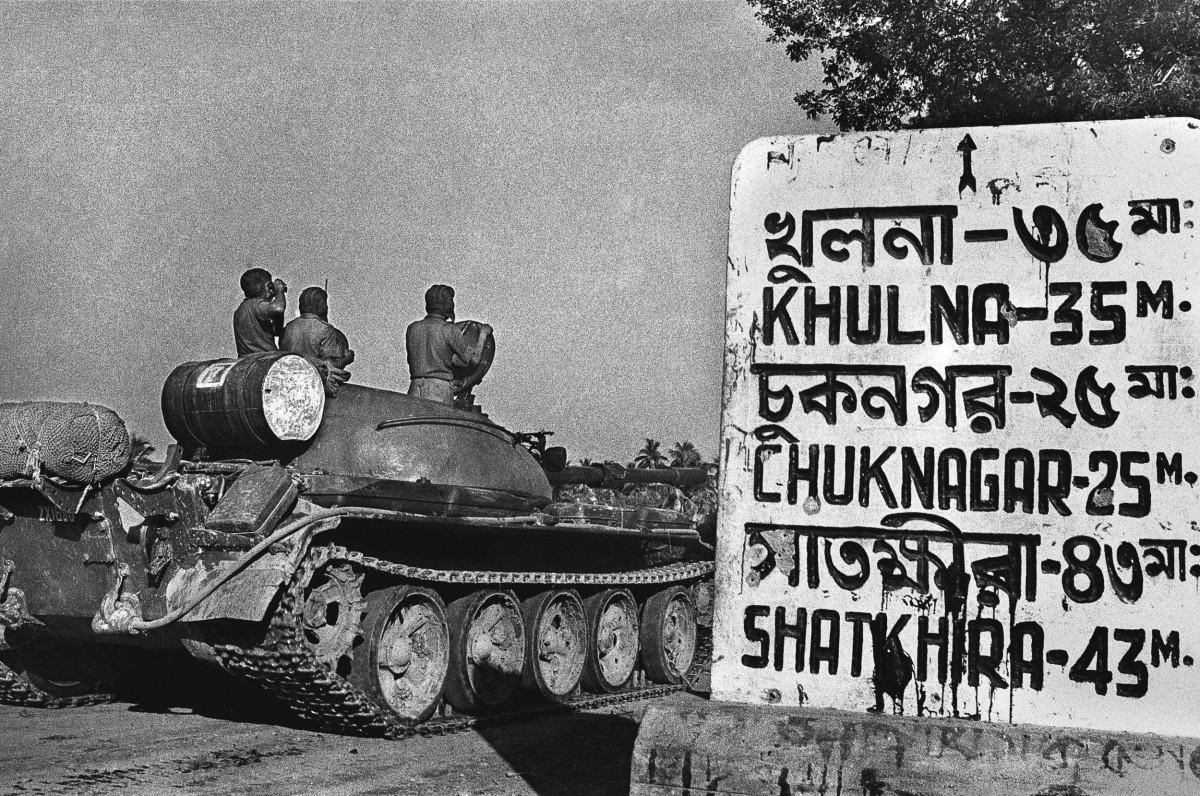
Another tactic that should be mentioned here, is that of turning a Nelson’s eye or cancelling Hindu causes; whether it is the complicit silence of Western journalists, the BBC and politicians to the Hindu genocide in Bangladesh, or even academic gatekeeping that denies Hindus a place at the table when discussing their own ancient history – cancel culture is real.
In essence, the anti-Hindu ecosystem knows what it is doing: all of these measures are conscious efforts made simply to ensure that restorative justice is never applied to Hindus in the first place, and in instances where it is applied, that Hindus are denied true restorative justice.
A number of specific and thematic examples relating to the need for restorative justice in the Hindu and Indian context exist. Grass root organisations as well as higher level policy makers should work locally and internationally to address these issues. The following are just some examples of work needing done.
National impact for persecuted communities
On a national scale, restorative justice can guide how states respond to widespread abuses such as ethnic cleansing (or cancelling the memories of what once was and how it was erased), religious persecution, or systemic discrimination in policing, workplaces and criminal justice. In transitional justice contexts, restorative approaches have been used to complement courts and truth commissions by creating spaces for victims to be heard, for perpetrators to acknowledge responsibility, and for communities to shape the terms of repair.
Restorative justice can also reshape domestic criminal justice systems where persecuted communities, including racial and religious minorities, face disproportionate or manufactured criminalisation, gaslighting and dishonest propaganda used against them. Practices such as victim–offender dialogues, community circles, restorative sanctions and policy changes at a higher level can address the needs and voices of those harmed. When implemented with attention to power imbalances simultaneously rooted in historical fact, these processes can help rebuild trust.
From the perspective of Hindus living in the Global West, a number of issues need to be addressed when seeking restorative justice at state levels.
Firstly, the curbing of free speech with laws related to religious protection (particularly bespoke laws catering to some communities) and hate speech laws have been the topic of much discussion in the UK and other countries among various religious groups. Some call these “blasphemy laws” through the back door. When it comes to current or historical events where spelling out who the real perpetrator and real victims are – or discussing history without whitewashing it – would require facing inconvenient truths, the current default is to stop discourse altogether.
There are a number of examples that can be given in this context and this list is not exhaustive: be it desecration and destruction of temples (eg scattered throughout the Subcontinent including but not limited to India, Pakistan and Bangladesh), incitement of Leicester violence, the problem of grooming gangs, genocides and forced conversions throughout history that are omitted from the curriculum (so that Hinduism is entirely decontextualised from its history, challenges and civilisational journey, unlike other religions), or even discussions within the UK about Kashmir – where Kashmiri Hindus (and what happened to them) are entirely excluded from discourse (Historical Negationism) – there is a real and current risk of these laws backfiring and being manipulated to be used against the actual victims. Given that restorative justice should seek to prevent future harm to communities; through lessons learnt unconditionally through community/ event-based dialogues and not just redress past wrongs, better engagement with the Hindu community with uniform laws that apply to all groups without being biased in favour of any particular community – and ensuring that free speech is encouraged and protected – are crucial.
Indeed – from what really happened in Leicester, the deliberately planned and planted anti-Hindu hate in the media that perpetuated the issue as well as the further support given, to the dishonest narratives by self-proclaimed but biased academic experts – one actually starts to wonder whether bespoke hate crime laws that protect and safeguard Hindus and old-world civilisational systems are needed.
The issue of vote bank politics in the UK remains an area of major concern. In order to appease demographic vote banks, many politicians “look the other way” when it comes to Hindu issues. Be it grooming gangs, the cancellation of awareness events to discuss and advocate for the rights of Kashmiri Hindus, or even the organisation of debates around the Kashmir issue wilfully excluding Kashmiri Hindus and denying the genocides that they have faced – vote bank politics permeates the entire social set-up in the UK and other Western countries, like carbon monoxide, not very obvious until too late and with lethal consequences.
Restorative justice requires an ethical framework within which MPs, other politicians and politically relevant community lobbies should operate and perhaps a regulatory body that they should be referred to when they are seen to be wilfully ignoring the needs of specific minorities and depriving them of their right to be seen, heard and understood in a safe space. Indeed, many other professions have ethical frameworks and regulatory bodies that govern them – to the extent of professionals having to declare and discuss complaints and criticisms made against them when being annually appraised. Why not MPs, politicians and political lobbyists?
With regards grooming gangs, it is interesting that when it comes to the question of religion and ethnicity of the majority perpetrators, and religion and ethnicities of the majority of the victims – there is a paradoxically loud silence. The elephant in the room feels too big to deal with at face value. Restorative justice requires issues to be addressed from their root cause, and demands that difficult questions be answered, explored and remedied in the long-term social cohesive interest.
Global implications and international norms
Globally, restorative justice has influenced international norms on how societies should address mass human rights violations. The United Nations has issued basic principles encouraging the use of restorative processes that respect the rights and needs of victims, offenders, and communities, and that can operate alongside formal justice proceedings. These principles support the idea that accountability after atrocities (big or small) should not be limited to punishment but should also foster reconciliation, social repair, and guarantees of non-repetition built into societal, legislative and judicial policies.
For persecuted communities and religious groups, restorative justice at the global level can inform peace agreements, reparations schemes, and international support for locally led reconciliation processes. It encourages international actors to recognize community-defined harms—such as the destruction of sacred sites, suppression of religious practice, or forced displacement—and to support reparations that address cultural and spiritual loss as well as material damage/return of stolen relics and icons of religious/cultural importance of the erstwhile colonised victims. This perspective pushes beyond purely legal remedies toward more holistic forms of redress that recognize collective identity and memory.
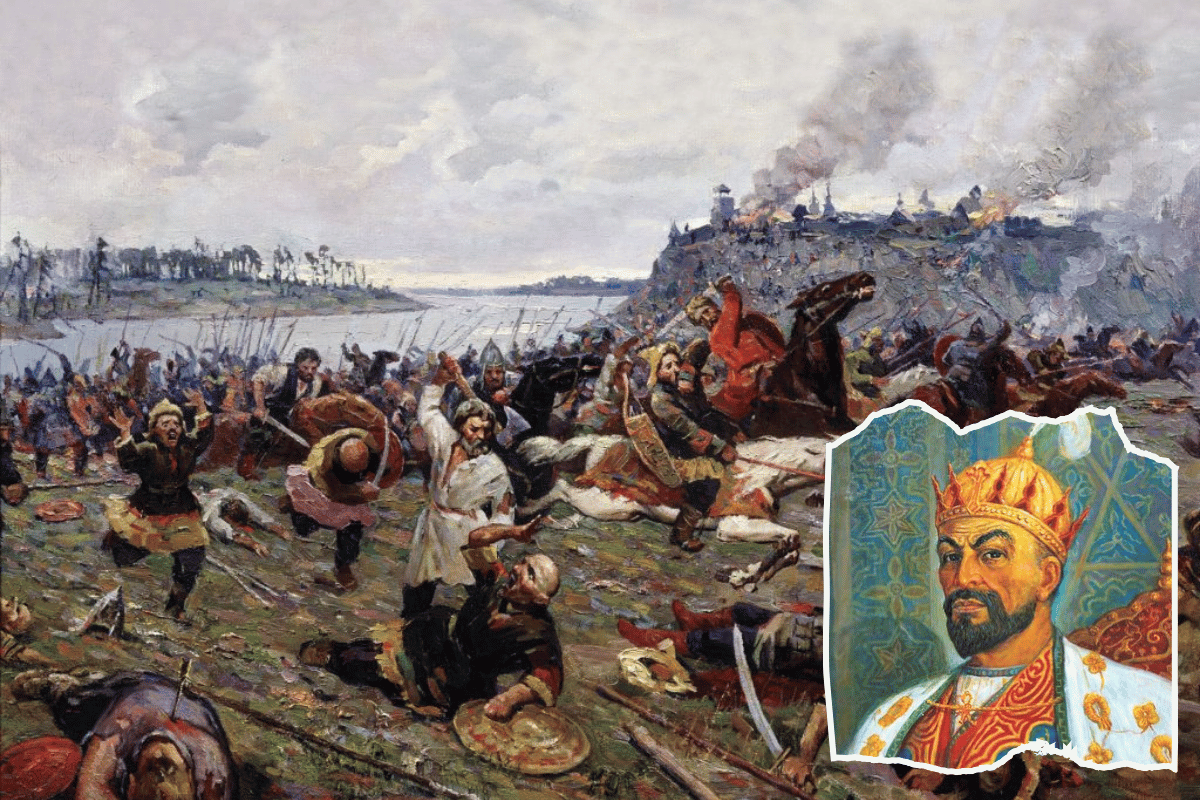
For Hindus, this means that atrocities against Bangladeshi and Pakistani Hindus, atrocities against Hindus within India (primarily in; but not restricted to, in Kashmir and Bengal), formal international recognition of Hindu genocide and holocaust resulting from invasions over (at least) the past millennium, understanding that temples, academic institutions and millennial worth of priceless written records were deliberately destroyed, and addressing the ensuing (and deliberately planted) misinformation about Hindu history (with – in a classic example of the victim communities being gaslighted – Hindus being blamed for their lack of history-keeping) taught in academic institutions throughout the world, is vital. This should conclude with identifying the ideological reasons for these acts and robust safeguards suggested before.
Religion, faith, and restorative justice
Religion and faith traditions have played a significant role in the development and practice of restorative justice. Early programs in North America drew on Christian and Anabaptist peace theologies that emphasised reconciliation, confession, and restoration, and these ideas helped shape modern victim–offender mediation and community conferencing models.
Many religious groups continue to advocate for restorative responses as expressions of mercy, repentance, and community responsibility. Though many such were after massive social outrage against the Church and resulted from the forced hand as well as salvage PR of such religious organisations in the Americas and Australasia.
For religious communities that have been persecuted, restorative justice can create space to articulate the historical, current, theological, civilisational, intergenerational and spiritual dimensions of harm and healing with an emphasis on objective reparative action.
The church has apologised for its treatment of native cultures in various parts of the world, although there is a silence when it comes to Hinduism. Perhaps it is because most natives e.g. in the Americas and Australasia have been converted to adopt predominantly Christian practices, the destruction of their civilisations a mere by-product necessary to fulfil the end-goal of conversion. So, whether it’s the Goan Inquisition, the destruction of indigenous knowledge systems in India, the invention of the Aryan invasion theory and so much more – there is insufficient recognition in academic or faith circles about historical crimes against Hindus and Hindu civilisation. This may be in part because Hindus still constitute fair numbers and are therefore seen as theological “unfinished business” by many who hold hostile attitudes towards them – for example by believing that it is a divine mandate and religious duty to convert them (one need only look at websites such as the Joshua project to understand how native faith and belief is regarded as a project to dismantle by some).
Apology will only come when numbers are reduced to such an extent that the tick box exercise can then be employed to demonstrate the magnanimity and moral compass of the erstwhile oppressors. Issues relating to the Islamic conquest of India and ongoing ideological conflict also warrant discussion and similar principles apply.
Gatekeeping that reinforces the anti-Hindu glass ceiling in various domains
How can history be factually restored? It is tricky, because many of India’s ancient academic institutions and collections of manuscripts were destroyed, allowing people to make assumptions and theories about all aspects of Hindu civilisation that are driven by agenda or wholly inaccurate. The biggest hindrance to restorative justice today is gatekeeping in academic, political, media and journalistic circles; such gatekeeping prevents alternative voices from being heard. In reality, this gatekeeping is a deliberate strategy created to form a glass ceiling through which voices that speak inconvenient truths can never penetrate. People have built entire careers on the denial of the smouldering embers of old-world civilisations.
As time goes on, insidious changes to terminology (neologisms) creep in to further sever the cultural cord with Hindu roots. For example, the subject of Indology slowly morphs into South Asian Studies to deliberately reframe modern and historical issues in a way that belittles, degrades and diminishes shared Hindu, Buddhist and Jain cultural roots and the native sacred geography that underpins the whole of the Indian subcontinent, decontextualising native history from the modern nation states that have been created today.
Voices that question the Aryan Invasion Theory as well as Victorian timelines of Hindu civilisation are silenced, despite the emerging availability of impartial transdisciplinary scientific research.
While followers of the two largest Abrahamic faiths are supported in the honour that they hold for their own sacred geography, Hindus around the world who honour the sacred geography of the wider Indian subcontinent as the roots of their religion as per ancestrally based traditions (and advocate for its welfare) are mis-labelled as Hindu nationalists or right-wing fascists. While Christian nationalism is celebrated and given legitimacy as is Islamic global solidarity (the ummah), any other potential forms of nationalism/cultural revivalism are framed by the false equivalence of being fascist and right wing (a very Euro-centric concept that is entirely the wrong framework to use in an Indian or traditionally Orientalist context) – despite India having a track record of welcoming and protecting minority communities, be they Parsis, Jews and even Muslims.
Hindu genocide is denied and Hindus are silenced when raising awareness of the civilisational challenges they have faced, while other communities are platformed and leveraged even at the expense of truth. Indeed, when one considers the overall trajectory of Hindu numbers and stark demographic decline, one could argue that Hindu numbers need better protection and that genocide denial (whether we view this as micro-genocides such as the purging of Kashmiri pandits or what is happening in India’s neighbouring countries, or as a civilisational genocide as a whole over the past millennium) – should be made a punishable offence.
Restorative justice requires that such issues are acknowledged and openly discussed without fear, and that leaders of the Hindu community, representatives from Hindu organisations as well as key Gurus from different Sampradayas are consulted and empowered to have a place at the table in all domains at all national and international discourses, in order for any constructive change to come about in relevant topic affecting Hindus, Hindu history, Hindu rights as well as narratives circulating about Hindus.
The advent of alternative social media, blogs, vlogs journalistic outlets and native academic institutions are some ways in which this issue is being addressed, although the next challenge is delivering this restorative narrative impactfully, outside the current echo chambers in which it is mostly forcibly confined.
Structural change and social justice
Restorative justice also has a broader social justice dimension, particularly relevant for communities targeted by systemic persecution or discrimination historically. Beyond resolving individual cases, it can be used to examine and transform the systems, narratives, and power relations that enabled harm, such as discriminatory laws, biased policing, or exclusionary national histories. Organizations working in this field highlight its potential to challenge power imbalances, amplify marginalized voices, and promote more equitable participation in decision-making.
For persecuted communities and religious groups, this means restorative justice is not only about past abuse but also about reshaping present and future structures—education, security, governance, and cultural policy—so that persecution does not recur or dehumanisation of victims is stopped. When linked to broader reforms and guarantees of rights, restorative measures can help restore social belonging and rebuild the social fabric that persecution sought to destroy. In this sense, restorative justice becomes both a process of healing and a framework for reimagining national and global communities in more inclusive, pluralistic terms.
One example in terms of Hindu specific causes includes the futility of past wrongdoings being acknowledged by hegemons in politics, academia and journalism as a tick-box exercise, while the conversion industry that targets Hindus for conversion to Christianity and Islam is booming and expanding. Learning from the destruction of ancient civilisations all around the world, restorative justice requires facing some difficult questions about the ethics of conversion and the resultant erosion of diversity, pluralism and loss of cultures and civilisations.
JD Vance recently expressed that he hoped that one day his wife Usha Vance would convert to Christianity. In a global culture that celebrates the assertion of Christian and Muslim identity while shunning and vilifying that of non-Abrahamic religions when they are perceived as a threat, the expression of this noble hope did not appear to create much uproar in the media. Imagine then, if religious positions were reversed and such bigotry came from a Hindu-practicising western leader? One can only imagine the selective outrage and employment of the usual toolkit to do everything possible to vilify and demonise such Hindus. In essence, JD Vance’s expression reveals a lot about what is deemed acceptable in the wider Abrahamic-dominated world today. It shows that; the road to restorative justice, changing deeply ingrained cultural mindsets and normalisation of selective religious supremacy will take a long time to shift. It also brings into question the wider issue of the ethics of conversion, whether such anti-social ideologies are fit for purpose in this day and age, and structural and economic factors that keep such activities alive.
The Christian and Islamic conversion industries are well funded and resourced. If one is to make the argument that converting others is part of one’s religious freedom, while it violates the principles of natural justice and right to profess/practice one’s beliefs even if non-mainstream, on the other hand it follows – from a restorative justice perspective – this inequity in funding and resource allocation in promoting, propagating and safeguarding Hinduism (and other groups that are targeted for religious conversion) needs to be examined and corrected, particularly in countries and cultures that pride themselves in social equality and cultural openness; selective socialism will not work if true restorative justice is to be delivered.
A note on India, Pakistan and Bangladesh
A number of other legislations are required to bring about structural change and social justice at international and bespoke local levels. India lends itself well to an exemplary discussion of this topic. In India, laws such as the Citizenship Amendment Act (CAA), and other bespoke laws relating to the country, were designed in some part to truly deliver restorative justice and support persecuted Hindus within India as well as those fleeing from genocide in Pakistan and Bangladesh.
Unfortunately, for many ideologically dissociated from Hindu history and civilisation the religious nature of British India’s partition towards two Islamic homelands on either flank is purposefully forgotten. For example, abrogation of Article 370 was meant to help reintegrate an isolated and radicalised Kashmir and in an indirect way, help Hindus (from many ethnicities like Dogras, Valmikis and surprisingly Gurkhas) that had been purged from the valley. The CAA was meant to help persecuted minorities in India’s neighbours (countries carved out and evolved on Islamic ideological lines). Because the perception was that Hindus may benefit, or geopolitically, that India may rise indirectly or directly (the West and its proxies are known to have vested interests in keeping the Kashmir issue simmering), the usual gatekeepers took objection which led to propaganda fuelled protests.
As usual, selective outrage and media warfare ensued, focusing on minorities while ignoring Hindu refugees in India itself. The global media, however, conveniently and deliberately omitted to report population numbers and population projections of different demographic groups in India and her neighbours, a true reflection of whether minorities are thriving or under threat. It also failed to report whether persecuted minorities in India are actually fleeing India, and why India has a problem with so many non-Hindu immigrants from its neighbours who – if the media were to be believed – paradoxically are voluntarily fleeing to a country where they would face certain persecution.
It is worthwhile briefly comparing and contrasting these three neighbours. In addition to population and demographic statistics that tell an entirely different story to what the world media would like you to believe, what sort of legal and constitutional protections are there for minorities in these countries? While India has celebrated her minorities leading many constitutional and institutional positions at the head can the same be said about India’s neighbours? In fact, Pakistan’s Islamic constitution is such that non-Muslims are barred from the post of prime minister or president.
How about land ownership? In India, the Catholic church is one of the top three biggest land owners in the country. The special WAQF act (Islamic Land ownership act) has also enabled Islamic institutions to expand their territory, becoming one of the biggest land owners and part of the top three. Indeed, it is not unheard of to have ancient temples that pre-date Islam declared WAQF property and illegally acquired. Can the same be said about land ownership of minority groups in Pakistan and Bangladesh? While the global West lectures India on minority rights, governments and councils in the West fail to provide the rightful share of equitable resources to their Hindu minorities that pay so much in tax and contribute so much to the economy.
The taxing of religious institutions. The government of India controls many of the funds and donations received by Hindu temples, but not of any other religious community. In essence, Hindu money may be used for secular and non-Hindu causes, while funding associated with non-Hindu institutions (and one must remember that in the Indian context of Christianity and Islam, their institutions benefit from robust global well connected ecumenical and financial networks) is left up to the discretion of the relevant respective religious communal regulatory bodies.
In essence, Hindu Dharma in India is being economically, systemically and structurally set up to diminish, to fade away like the civilisations of Egypt, Rome, Greek and pre-Christian Pagan cultures. The purpose of calling this out is not discriminatory against the Abrahamic faiths , but to point out the glaring discrimination against the Hindu Dharmic and cultural ecosystem. A restorative justice and also Hindu perspective requires the acknowledgement of such purposeful legislative and institutionalised inequities, threats and challenges faced by the Hindu ecosystem and steps taken to course-correct before it reaches a point of no return.
These are just a few examples of key differences in how minorities are treated among these ideologically-run countries. The sad fact of the matter is that laws that are meant to protect Hindus fleeing from certain death or conversion in Pakistan and Bangladesh are not as effective on the ground as they were envisioned to be. While illegal Rohingya and other non-Hindu immigrants appear to enter a votebank polity-based ecosystem in India where they are taken care of, provided for and given false identity certificates, Hindu refugees in India remain impoverished, marginalised and rendered stateless (by virtue of lack of identity documents and other legal necessities) by the only Hindu majority country in the world that can do anything to protect and nurture them.
Restorative justice requires a top-down and bottom-up approach to ensure that legislations meant to support such refugees actually work on the ground. Moreover, just as the West welcomes non-Hindu refugees (many of whose co-religionist countries refuse to take them in) with open arms, perhaps there is a case to be made for the integration of Hindu refugees from Pakistan and Bangladesh to be settled abroad if India is unable to care for them and treat them as well as it treats its non-Hindu refugees.
How can some of the aforementioned issues be related to the diaspora living in the West? India; since 1950, is Constitutionally directed to treat all faith systems equally (even though practice is dissociated as above), similar to many countries in the West which have secular frameworks and legislations that protect the interests of minority groups. Be it at a national level or from local councils, a significant degree of taxpayer’s money is used to benefit specific minorities. As a diaspora that contributes significantly to economies outside India and punches above its weight in taxes, one step that countries like the UK could legislate is of complete transparency on funding trails and how, where and to whom money and resources are allocated, so that a judgement can be made as to whether Hindus are afforded their fair share.
From Survival to Renaissance: Why Hindus must lead their own restorative justice
To conclude, restorative justice in its true sense is not about hugs, cuddles and stale platitudes. It is about long term actionable goals and targets, holding authorities accountable, and ensuring that the injustices of history are understood, transparently discussed without being whitewashed, and educationally transferred to future generations while creating and implementing appropriate systems to ensure that such historic evils do not repeat themselves.
What Hindus have faced as a civilisation has been horrendous and no other communities should face similar issues: lessons must be crystallised so as not to repeat the same. It is now important to be crystal clear that concerted efforts in the media, academia and politics to gatekeep false narratives (using many methods including whitewashing, cancelling, victim-shaming, engineering protests and selective outrage, and many more examples) and also be the judge, jury and executioner for all things Hindu-related are part of the toolkit to erase inconvenient truths, influence public opinion and ensure that Hindus are denied restorative justice.
Why does there appear to be so much time, effort and money spent on ensuring that Hindus are targeted in various ways, shapes or forms? The reality is that the agenda of anti-Hindu hate is entangled with and inseparable from various other geopolitical factors in today’s complicated world.
While the remit of this article is restricted purely to applying the concept of restorative justice to the Hindu situation, true change will only occur if various geopolitical incentives and motives that are the driving factors behind anti-Hindu hate and its manifestations are unpicked and addressed for their real motives currently as well as historically. The only way forward is for Hindus themselves to realise that it is now incumbent upon them to understand the importance of restorative justice not just for their civilisational survival but for a true revival and renaissance.
Hindus must put aside their differences and unite in order to work effectively towards this complex and multifaceted issue; not only for transgenerational wounds to be healed, but also for current and future societies worldwide to understand the implications of those horrors that a continuing civilisation suffered – horrors that made it poorer economically and culturally – and yet it still stands defiant. Hindus must understand the concept of restorative justice so that present and future Hindu generations can face the world and honour the memories of the ancestors with truth and pride, and without fear, shame or embarrassment. Because, at the end of the day, if Hindus don’t do it for themselves, nobody else will do it for them.
References
ABC News (2025) Bangladeshi Hindus on edge as Islamic extremists target minority community. Available at: https://www.abc.net.au/news/2026-01-04/bangladeshi-hindu-minority-fearful-after-lynching-of-worker/106192790
Care (2025) Communities Secretary: Islamophobia definition must not restrict free speech. Available at: https://care.org.uk/news/2025/10/communities-secretary-islamophobia-definition-must-not-restrict-free-speech
Children of Prisoners Europe (2016) European Journal for Parental Imprisonment, Summer Issue. Available at: https://childrenofprisoners.eu/wp-content/uploads/2019/02/EJPI-English_01_2016_Summer_web.pdf
Drishti IAS (2024) State control of temples. Available at: https://www.drishtiias.com/daily-updates/daily-news-analysis/state-control-of-temples .
Education Faculty, University of Cambridge (n.d.) Restorative approaches seminar paper. Available at: https://www.educ.cam.ac.uk/research/programmes/restorativeapproaches/seminartwo/SiaLucio.pdf
Firstpost (2024) Two Acts: How Waqf and Places of Worship Acts have made Hindus second-class citizens. Available at: https://www.firstpost.com/opinion/two-acts-how-waqf-and-places-of-worship-acts-have-made-hindus-second-class-citizens-in-their-own-country-13832580.html
GHTN (2025) A troubling parallel: Forced conversions in Pakistan and UK grooming gangs. Available at: https://www.ghtn.in/post/a-troubling-parallel-forced-conversions-in-pakistan-the-ajmer-1992-case-and-british-grooming-gang
ICTJ (2024) ICTJ releases new report on restorative justice. Available at: https://www.ictj.org/latest-news/ictj-releases-new-report-restorative-justice
Independent, The (2018) Rotherham grooming gang and religious extremism. Available at: https://www.independent.co.uk/voices/rotherham-grooming-gang-sexual-abuse-muslim-islamist-racism-white-girls-religious-extremism-terrorism-a8261831.html
Independent, The (2025) JD Vance and Usha: Christianity and Hinduism. Available at: https://www.independent.co.uk/bulletin/news/jd-vance-usha-christianity-hinduism-b2855605.html
India Today (2022) Oxford University cancels Vivek Agnihotri event. Available at: https://www.indiatoday.in/india/story/oxford-university-cancels-vivek-agnihotri-kashmir-files-director-twitter-1956639-2022-05-31
Insight UK (2025) Britain’s child grooming gangs and the term “Asian”. Available at: https://insightuk.org/britains-child-grooming-gangs-and-the-term-asian-the-time-for-euphemism-is-over/
Insight UK (2025) Britain’s grooming gangs: The suffering of British Hindus and Sikhs. Available at: https://insightuk.org/britains-grooming-gangs-the-suffering-of-british-hindus-and-sikhs-and-challenging-political-correctness/
Insight UK (2025) Chingari: A flame for the forgotten daughters of Pakistan. Available at: https://insightuk.org/chingari-a-flame-for-the-forgotten-daughters-of-pakistan/
Insight UK (2025) Fact check: UK Indian Muslim Council report. Available at: https://insightuk.org/fact-check-points-on-uk-indian-muslim-council-report/
Insight UK (2023) Hindutvaphobia and Hindutvamisia. Available at: https://insightuk.org/hindutvaphobia-and-hindutvamisia/
Insight UK (2023) Leicester violence: One year and counting. Available at: https://insightuk.org/leicester-violence-one-year-and-counting/
Insight UK (2023) Leicester violence: One year on. Available at: https://insightuk.org/leicester-violence-one-year-on/
Insight UK (2025) Persecution of Hindus in Bangladesh report. Available at: https://insightuk.org/persecution-of-hindus-in-bangladesh-report/
Insight UK (2025) Proposed definition of Islamophobia and free speech. Available at: https://insightuk.org/proposed-definition-of-islamophobia-is-a-threat-to-free-speech-and-honest-discourse-2/
Insight UK (2023) SOAS inquiry into Leicester violence. Available at: https://insightuk.org/the-not-so-independent-soas-inquiry-into-the-leicester-violence/
Joshua Project (2026). Available at: https://joshuaproject.net/
National Center for Biotechnology Information (2021) Restorative justice research article. Available at: https://pmc.ncbi.nlm.nih.gov/articles/PMC8385698/ .
Open Access Government (n.d.) Assessing the role of religion in restorative justice approaches to crime. Available at: https://www.openaccessgovernment.org/ebook/assessing-the-role-of-religion-in-restorative-justice-approaches-crime/170983/
Organiser (2025a) Indian grooming gangs following Ajmer 1992 pattern. Available at: https://organiser.org/2025/07/29/305068/bharat/indian-grooming-gangs-following-ajmer-1992-pattern-over-15-cases-expose-systematic-islamist-plot-targeting-hindu-women/
Organiser (2025b) Odisha demand to free Hindu temples from government control. Available at: https://organiser.org/2025/12/08/329406/bharat/odisha-demand-to-free-hindu-temples-from-government-control-gains-momentum-vhp-submits-draft-legislation-to-cm-majhi/
Park University (2024) The role of restorative justice in modern criminal justice administration. Available at: https://www.park.edu/blog/the-role-of-restorative-justice-in-modern-criminal-justice-administration/
Rabwah Times (2019) Pakistan blocks proposed amendment allowing non-Muslims to become PM or President. Available at: https://constitutionnet.org/news/pakistan-blocks-proposed-amendment-allow-non-muslims-serve-president-and-prime-minister
Restorative Justice Council (n.d.) UN report on restorative justice. Available at: https://restorativejustice.org.uk/sites/default/files/resources/files/UN%20report.pdf (Cited 18th January 2025)
Restorative Justice Council (n.d.) Towards renewed partnership: Religion and restorative justice. Available at: https://restorativejustice.org.uk/blog/towards-renewed-partnership-reconsidering-role-religion-restorative-justice (Cited 18th January 2025)
RJ4All (2024) Restorative justice: A feasible pathway to social justice. Available at: https://rj4all.org/restorative-justice-a-feasible-pathway-to-social-justice/
Sanatan Prabhat (2024) Waqf Board claims temple land ownership in Tamil Nadu. Available at: https://sanatanprabhat.org/english/109351.html
Spectator, The (2025) How Pakistan’s rape culture led to UK grooming gangs. Available at: https://www.spectator.co.uk/article/how-pakistans-rape-culture-led-to-the-uk-grooming-gangs/
Stop Hindu Dvesha (2024) State control of Hindu temples in India. Available at: https://stophindudvesha.org/state-control-of-hindu-temples-in-india-a-historical-perspective/
Statesman, The (2025) Vaishno Devi shrine-funded medical college controversy. Available at: https://www.thestatesman.com/books-education/vaishno-devi-shrine-funded-medical-college-under-fire-over-imbalanced-admission-list-1503509588.html
TFI Post (2025) Waqf empire of corruption exposed. Available at: https://tfipost.com/2025/12/umeed-exposes-the-waqf-empire-of-corruption-years-of-land-loot-and-political-protection-come-to-light/
Times of India (2024) British Hindus raise concerns over Oxford Union Kashmir debate. Available at: https://timesofindia.indiatimes.com/world/uk/british-hindus-and-indians-raise-concerns-over-oxford-union-kashmir-debate-speakers-alleged-link-to-terrorism/articleshow/115309000.cms
Why Me? (2024) Restorative justice and religion. Available at: https://why-me.org/2024/restorative-justice-and-religion/