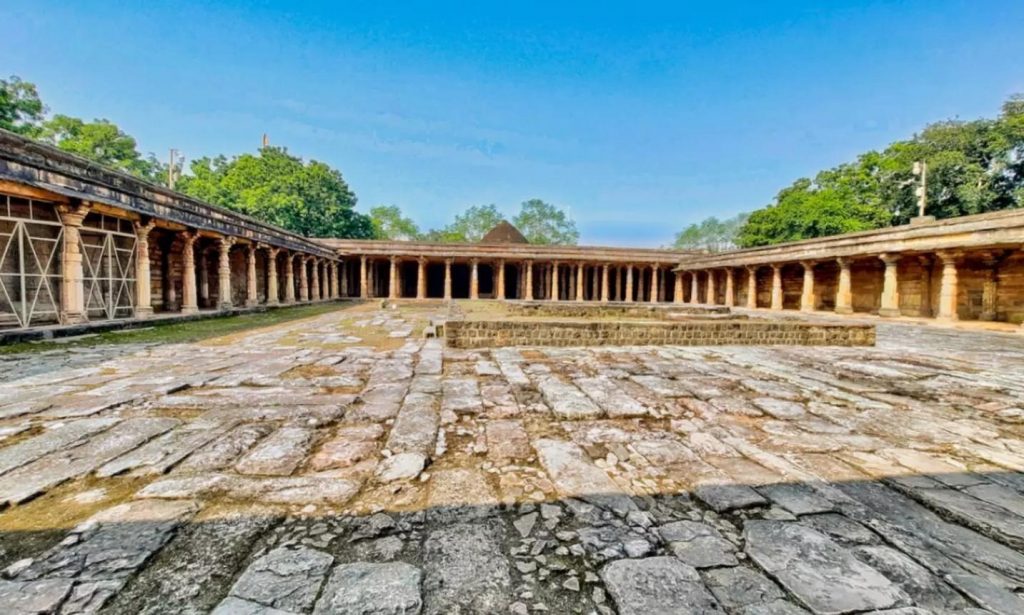
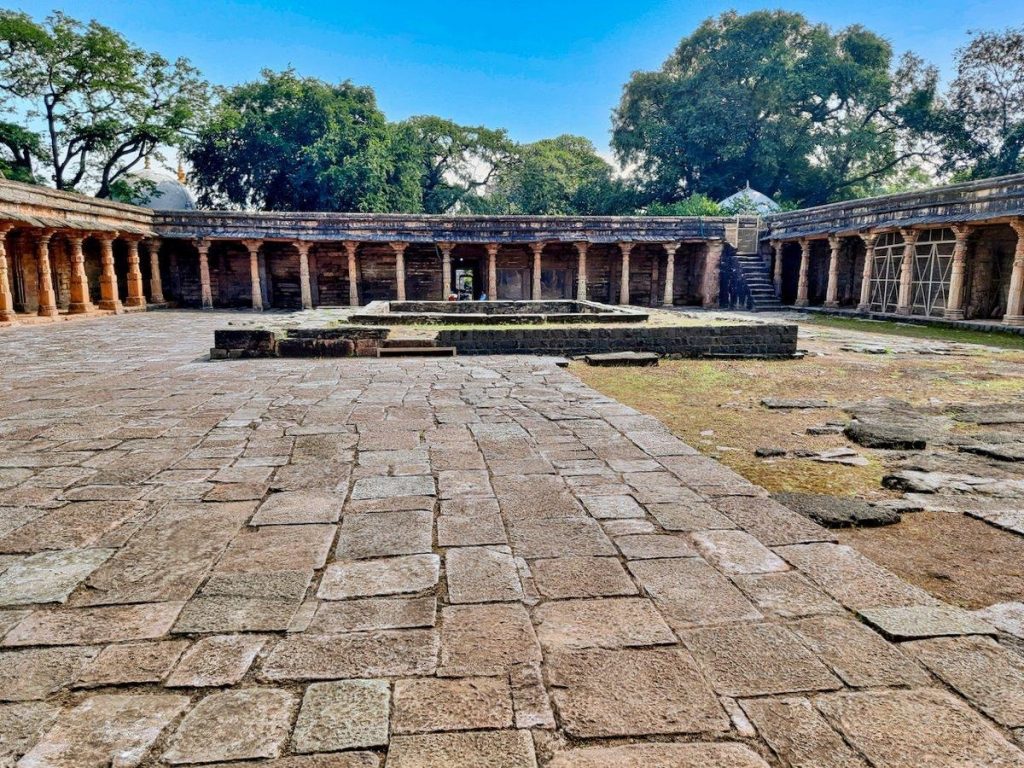
On 24th of May 2026, the Indore Bench of the Madhya Pradesh High Court delivered a historic judgment in the centuries-old Bhojshala dispute of Dhar, declaring Bhojshala to be a temple of Mā Vāgdevi (Mā Saraswati) and setting aside the 2003 ASI arrangement that had permitted namaz inside the complex.
This is not merely a legal victory.
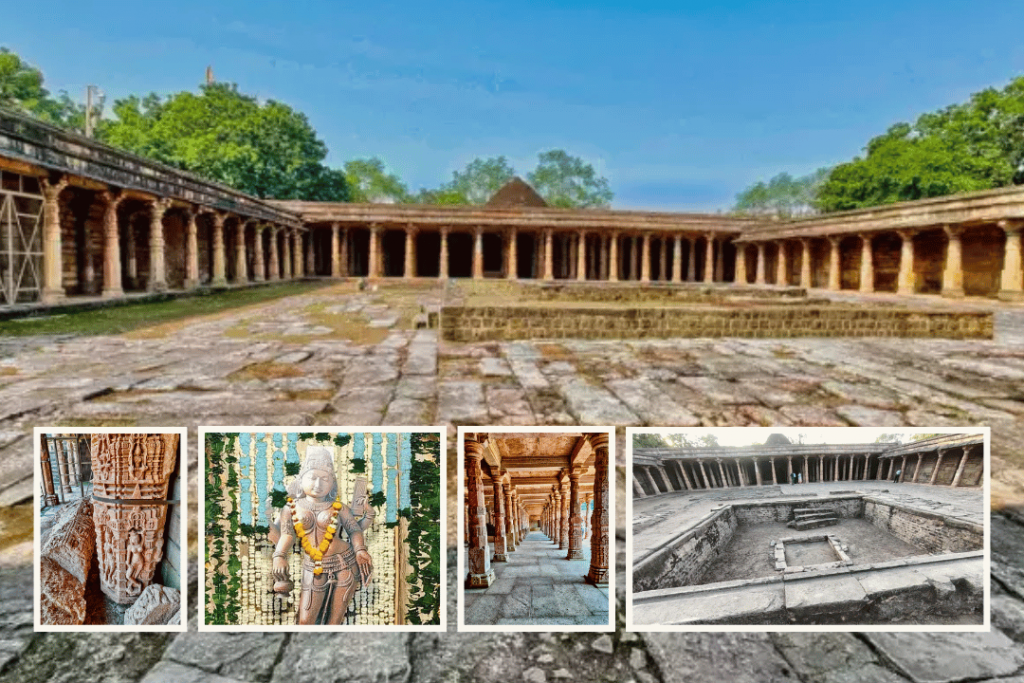
For many, it is seen as a civilisational and cultural restoration, the reclaiming of one of Bhārat’s (India’s) ancient centres of learning, spirituality and heritage.
What is Bhojshala?
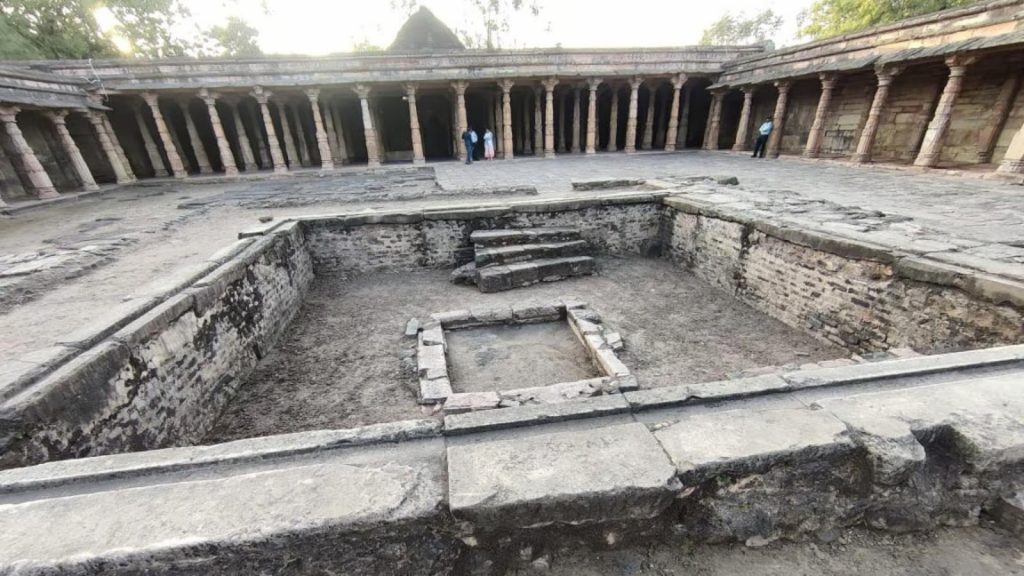
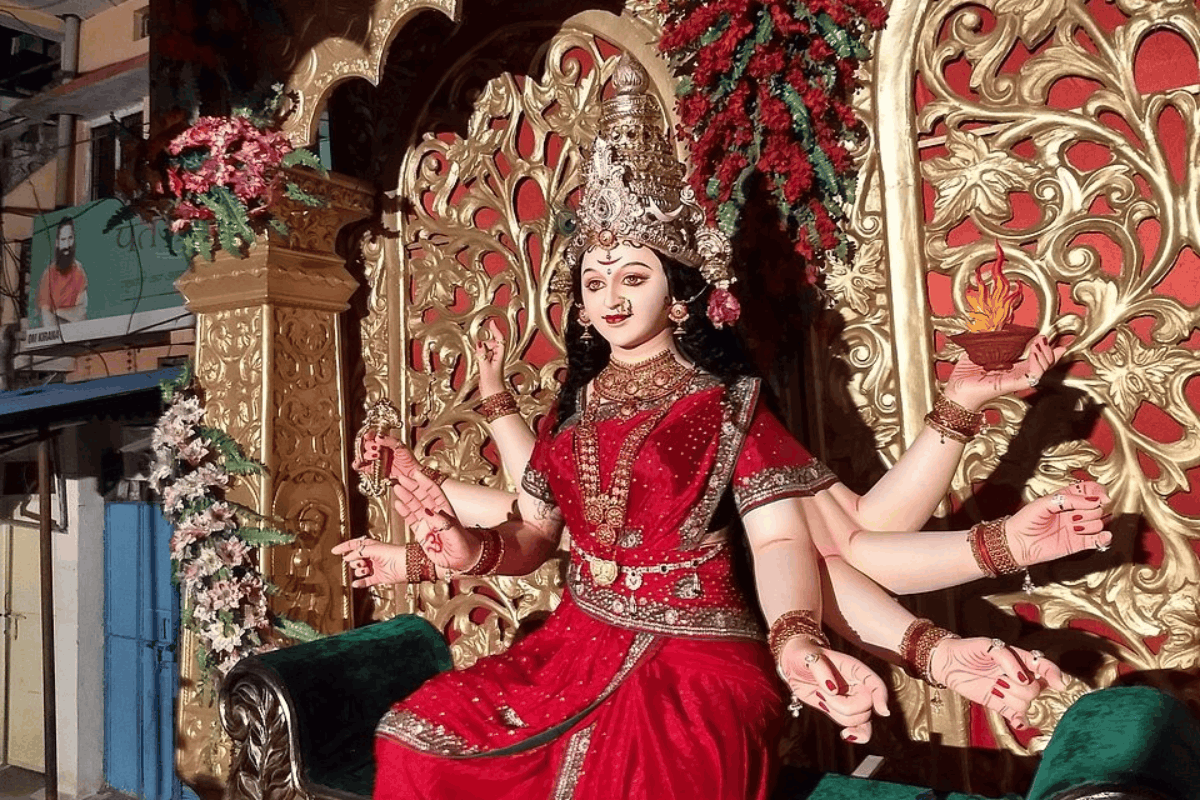
Bhojshala is an ancient temple and university dedicated to Mā Saraswati, the Goddess of knowledge, arts and wisdom.
It is traditionally associated with the great Parmar king Rājā Bhoj, one of Bhārat’s most celebrated scholar-kings, who ruled Malwa in the 11th century.
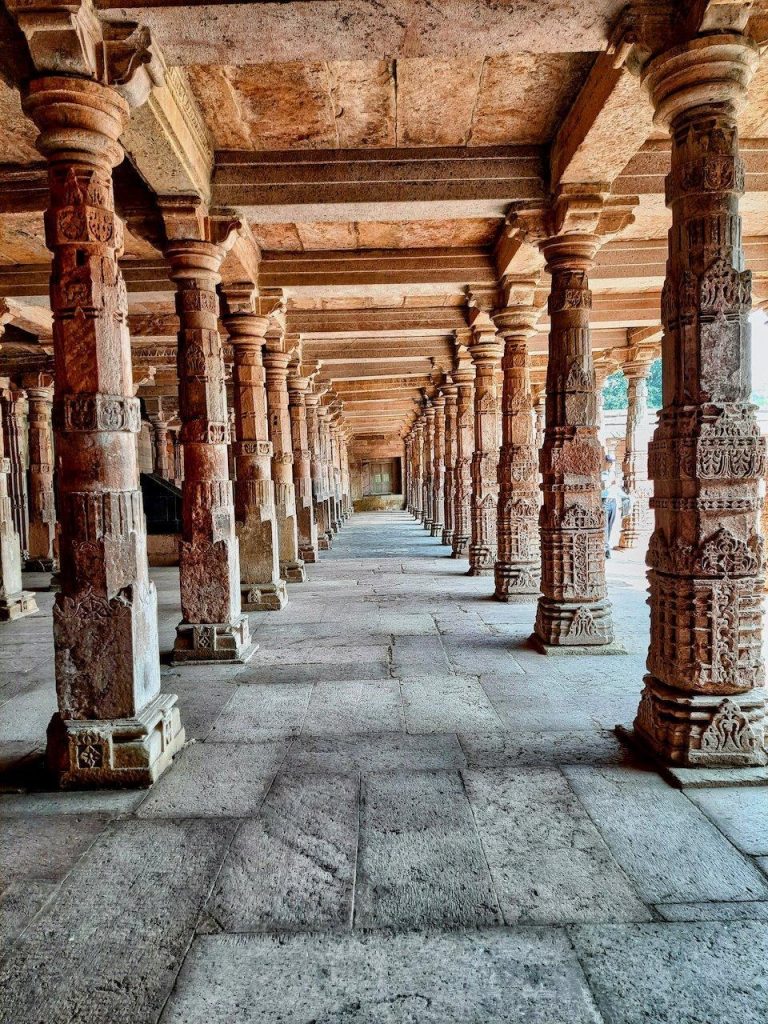
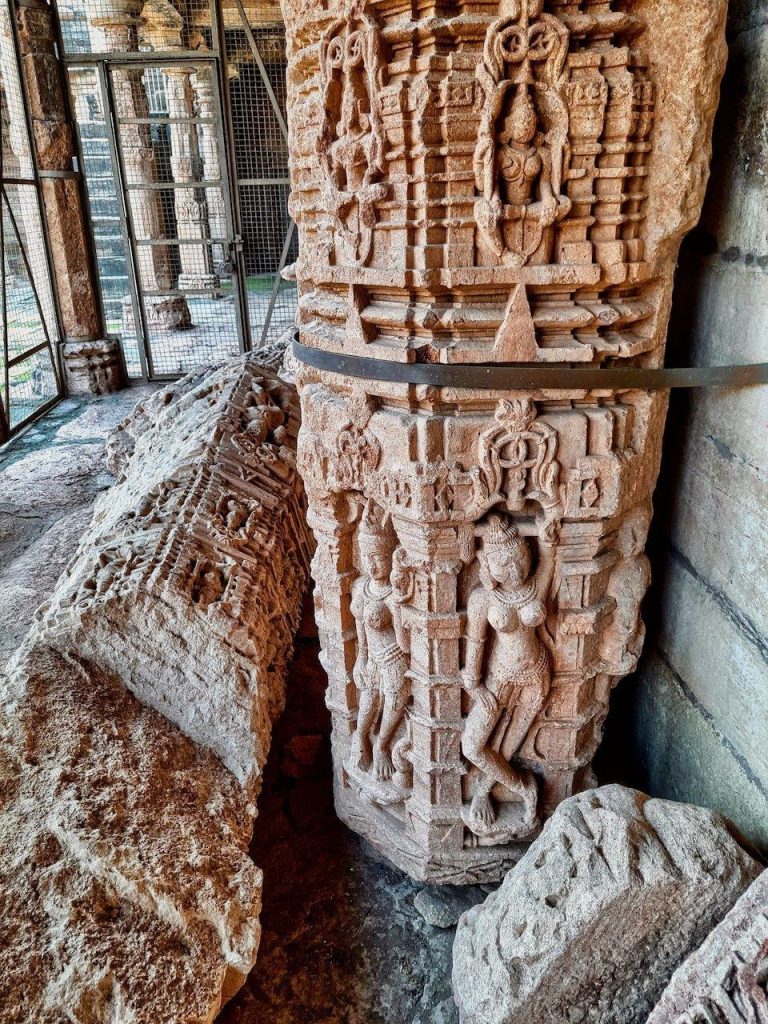
Historians and archaeological references describe Bhojshala as a centre of Sanskrit learning where scholars, poets and students gathered. The site is believed to have been constructed during the Parmar era, around the 11th–12th century. ASI findings presented before the High Court also linked the structure to Parmar-era temple architecture
What happened to the temple?
According to historical accounts and arguments presented by the Hindu side, the original Saraswati temple structure suffered destruction during medieval Islamic invasions.
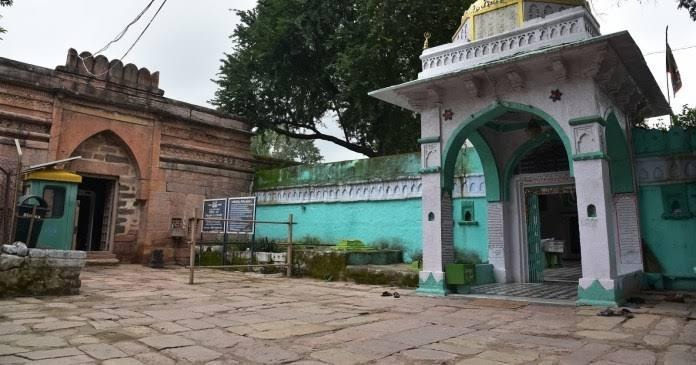
The adjoining structure later came to be known as the Kamal Maula Mosque, associated with the Sufi saint Kamal Maula. The transformation to mosque is generally attributed to the Delhi Sultanate period, invasions led by Alauddin Khalji in the early 14th century, when Dhar and nearby regions came under Islamic rule.
Why was there controversy?
For decades, both Hindus and Muslims claimed religious rights over the site.
- Hindus worshipped it as Bhojshala, the temple of Maa Saraswati.
- Muslims offered namaz there, considering it part of the Kamal Maula Mosque complex.
The dispute intensified during the British occupation of India and continued after Independence.
In 2003, the Archaeological Survey of India (ASI) created a controversial arrangement:
- Hindus were allowed to worship on Tuesdays and during Vasant Panchami.
- Muslims were allowed to offer namaz (prayers) on Fridays.
This arrangement became a recurring flashpoint, especially when Vasant Panchami coincided with Friday prayers.
The long legal and cultural battle
The struggle to restore Bhojshala as a temple continued for decades through:
- public movements,
- archaeological demands,
- legal petitions,
- and historical research.
A major turning point came in 2024, when the Madhya Pradesh High Court ordered an ASI scientific survey of the complex.
The ASI conducted a 98-day survey and submitted a massive report with archaeological findings, inscriptions, pillars, sculptures and structural analysis indicating temple origins.
The Hindu petitioners argued:
- Bhojshala was originally a Saraswati temple,
- Hindus should get unrestricted worship rights,
- Namaz should not continue inside the temple complex,
- and Maa Vagdevi’s murti (idol), currently in the British Museum, should be brought back.
After weeks of hearings in 2026, the High Court ruled in favour of recognising Bhojshala as a temple dedicated to Maa Vagdevi
Why do many see this as cultural restoration
For countless Indians, Bhojshala symbolises:
- the memory of Bharat’s ancient Hindu knowledge traditions,
- the resilience of civilisational heritage,
- and the gradual restoration of historical temples and sacred spaces.
From Ram Janmabhoomi to Bhojshala, many believe Bharat is witnessing the revival of long-suppressed cultural identities through constitutional and judicial processes.