Every year, as autumn sets in, millions of homes across the world begin to light up with rows of small oil lamps, known as diyās. Neighbourhoods are filled with colourful decorations, streets come alive, families and friends get together, and sweets are shared. As night falls, fireworks light up the sky. This is Diwali, one of the widely celebrated festivals by Hindus, Jains, Sikhs and Buddhists.
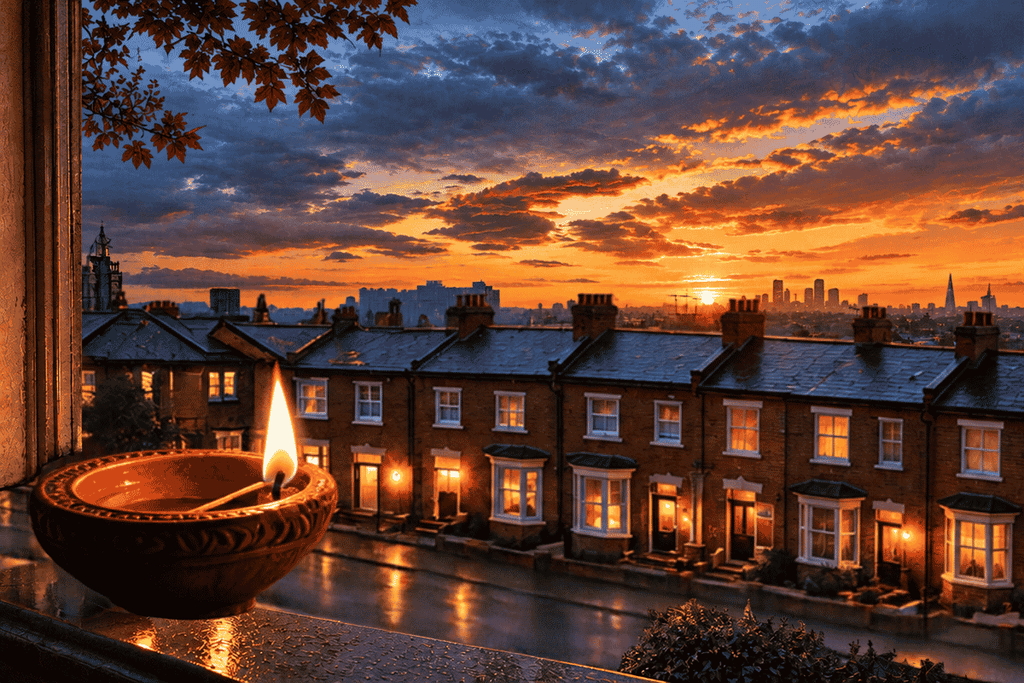
Often described as the “Festival of Lights”, Diwali is much more than a celebration of lights and fireworks. It carries stories of courage, hope, righteousness, compassion and the triumph of good over evil. Beneath its colourful celebrations lie timeless messages about overcoming ignorance, discovering wisdom, nurturing relationships and living harmoniously with others.
Before we explore Diwali, let us take a step back and think about a simple question: Can we really understand a festival without knowing a little about the traditions, beliefs and philosophy behind it?
Diwali has its roots in the ancient traditions of India, particularly Hindu Dharma, also known as Sanātana Dharma. Understanding a little about this tradition can help us appreciate not just why Diwali is celebrated, but also the deeper meaning and values behind the festival.
Understanding the deeper meaning
The word Dharma originates from the Sanskrit root Dhṛ, meaning to hold, sustain, maintain, or integrate. Dharma can therefore be understood as that which sustains and maintains harmony in individual life and society. It encompasses principles, values, duties and actions that guide us towards a responsible and meaningful life.
Hindu Dharma represents an ancient and diverse spiritual heritage. Unlike traditions centred on a single founder or one universally prescribed way of worship, it encompasses a wide range of philosophies, spiritual practices and approaches to understanding life and existence.
One of its central aspirations is Self-Realisation – understanding our true nature and recognising the deeper unity underlying all existence.
One of the philosophical traditions within Hindu Dharma is Advaita Vedanta, or non-dualism. The word Advaita literally means ‘not two’. It describes the understanding that beneath the diversity of names, forms, and individual identities lies one ultimate reality – Brahman. The individual Self, or Ātman, is understood to be not separate from this ultimate reality.
At first, we see ourselves primarily through our individual identities. We have different appearances, languages, cultures, beliefs and backgrounds. These differences are part of the richness of human life, but they can sometimes become reasons for misunderstanding, prejudice and conflict.
Advaita encourages us to look beyond these external differences and recognise the deeper unity of existence. This does not mean that everyone must become the same or that differences should disappear. Rather, it invites us to appreciate our shared existence and develop greater compassion, respect and responsibility towards one another.
This understanding resonates with the Sanskrit verse Vasudhaiva Kutumbakam – the world is one family.
The same universal outlook is reflected in two well-known Sanskrit prayers:
Asato Mā Sadgamaya – Lead me from darkness to light. It expresses the aspiration to move from ignorance to knowledge and from misunderstanding to wisdom.
Sarve Bhavantu Sukhinah – May all beings be happy, healthy, and free from suffering. It expresses a wish for the well-being of all, extending our concern beyond ourselves and our immediate families.
These ideas provide an important perspective through which we can appreciate Diwali. The light celebrated during the festival is not merely external; it can also symbolise the light of knowledge, wisdom and understanding within us.
Why is Diwali celebrated?
Diwali is celebrated for different reasons across the world.
In much of India, Diwali commemorates Bhagvāna Rāma’s triumphant return to his kingdom of Ayodhyā after completing fourteen years of exile and rescuing Goddess Sītā from the demon king Rāvaṇa. According to tradition, the people of Ayodhyā welcomed Rāma, Sītā and Lakṣmaṇa by illuminating the kingdom with rows of oil lamps. This celebration symbolises the return of righteousness, hope and goodness.
In some parts of India, Diwali celebrates Bhagvāna Krishna’s victory over the demon king Narakāsura, who had imprisoned thousands of women and oppressed his subjects. His defeat represents the triumph of good over evil and the restoration of justice.
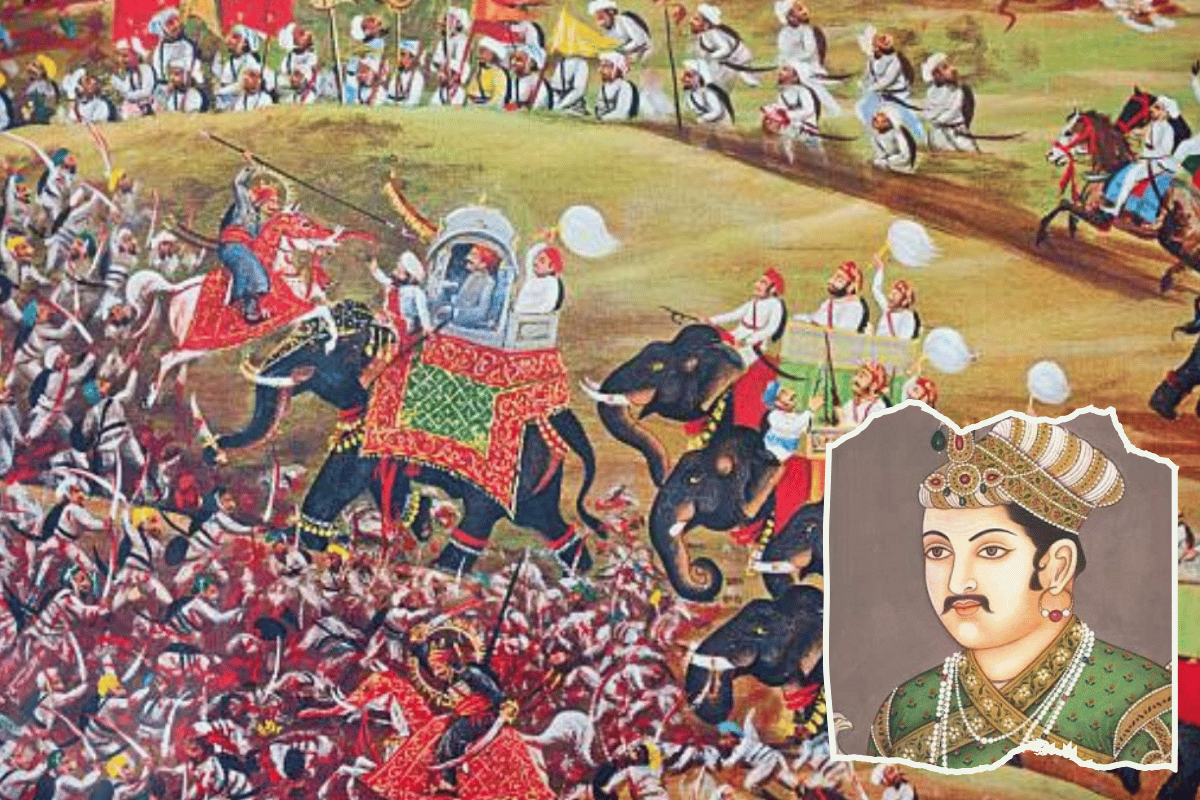
Diwali also holds significance for other faith communities originating in India. For Sikhs, the occasion is associated with Bandi Chhor Divas, commemorating the release of Guru Hargobind Ji from imprisonment by the Mughal emperor Jahangir. For Jains, Diwali marks the day Bhagvāna Mahāvīr, the twenty-fourth Tīrthaṅkara, attained Nirvāṇa.
These different traditions demonstrate how the festival brings together stories of freedom, righteousness, liberation, and the victory of good over evil.
The five days of Diwali
Diwali is traditionally celebrated over five days, beginning with Dhanteras and concluding with Bhai Duj. The festivities include prayers, family gatherings, feasts, lighting of lamps, fireworks, exchanging gifts, and charitable activities. Although the customs vary across regions, each day carries its own significance.
1. Dhanteras – Celebrating health and prosperity
The festivities begin on Trayodaśī, the thirteenth day of the dark fortnight of the Hindu lunar month of Kārtika.
Dhanteras is associated with Bhagvān Dhanvantari, regarded as the divine physician and associated with Ayurveda, the traditional Indian system of medicine. According to tradition, Dhanvantari emerged during the Samudra Manthan, the churning of the cosmic ocean, carrying the divine nectar of immortality, Amrit, and the knowledge of Ayurveda.
Goddess Lakshmi, who symbolises wealth and prosperity, is also worshipped. People traditionally purchase precious metals and household items, seeking blessings for health, abundance, and prosperity.
The day reminds us that health and well-being are as important as material prosperity.
2. Narak Chaturdaśī – The triumph over negativity
The second day, widely known as Chhoti Diwali, commemorates Bhagvān Krishna’s victory over Narakasura.
According to tradition, after defeating the demon, Krishna took an auspicious early-morning oil bath, known as Abhyanga Snāna. This ritual symbolises purification and the removal of negativity, marking a fresh beginning.
Regional celebrations vary considerably. In Goa, effigies of Narakasura are burned in the early morning, symbolising the defeat of evil. In West Bengal, the day is observed as Bhoot Chāturdashī, when fourteen lamps are traditionally lit to honour ancestral spirits. In Tamil Nadu, families begin their Diwali celebrations with early-morning oil baths, prayers and traditional rituals.
Beyond these customs, the day carries a simple message: we should make an effort to overcome negativity, laziness and harmful tendencies within ourselves.
3. Diwali – Welcoming light, wisdom and prosperity
The main Diwali day falls on Amāvasyā, the new moon night.
Homes are cleaned and decorated, and rows of oil lamps illuminate houses, entrances and courtyards. Families gather to worship Goddess Lakshmi and Bhagwan Gaṇesh.
Lakṣmī represents wealth and prosperity, including the wealth of virtues, while Ganesh symbolises wisdom, intelligence and the ability to overcome obstacles.
Their worship together conveys an important message: material wealth becomes a true blessing when accompanied by wisdom and the ability to use it responsibly.
The lighting of lamps also carries a deeper symbolism. It reminds us to overcome the darkness of ignorance with the light of knowledge, to replace negativity with positivity and to bring wisdom into our everyday lives.
4. Govardhan Pujā – Gratitude towards nature
The day following Diwali is celebrated as Govardhan Pujā, also known as Annakuta.
According to the traditional account in the Viṣṇu Purāna, young Krishna questioned the villagers’ worship of Indra, the deity associated with rain. He encouraged them instead to honour Mount Govardhan, which provided the natural resources essential for their livelihood.
Angered by this, Indra unleashed torrential rain upon the village. To protect the villagers and their cattle, Krishna lifted Mount Govardhan on his little finger, providing shelter for seven days until the rains subsided.
The festival commemorates this event and expresses gratitude towards nature and the resources that sustain life. A traditional feature of the celebration is the offering of Annakuta, meaning a mountain of food, often comprising fifty-six varieties of vegetarian dishes and sweets.
The story reminds us of our dependence on nature and the importance of respecting and protecting the environment.
5. Bhai Duja – Celebrating the bond between siblings
The fifth and final day celebrates the special bond between brothers and sisters.
On this day, sisters apply a ceremonial mark, known as tilak, on their brothers’ foreheads and pray for their health, happiness, and long life. Brothers offer gifts and reaffirm their affection and commitment towards their sisters.
There are traditional stories associated with this celebration, including those of Bhagwān Krishna and his sister Subhadrā, and Yama, the deity associated with death, and his sister Yamunā.
Both stories celebrate the affection, warmth, and enduring bond between siblings.
The day reminds us of the importance of family relationships, mutual care, and unconditional love.
The light that Diwali invites us to discover
Diwali brings together a remarkable range of stories, rituals and traditions. Yet, beneath this diversity lies a common thread: the aspiration to move towards a better and more meaningful way of life.
The stories of Rāma and Krishna remind us of the triumph of righteousness over wrongdoing. The worship of Lakshmi and Ganesh highlights the importance of balancing prosperity with wisdom. Govardhan Pujā reminds us of our responsibility towards nature, while Bhai Duja celebrates the importance of family relationships.
The deeper philosophical message of Hindu Dharma adds another dimension to these celebrations. It encourages us to move from ignorance to knowledge, from division to understanding, and from seeing ourselves as separate to recognising the unity underlying existence.
In a diverse society such as Britain, where people from different cultures, faiths and backgrounds live together, these values have particular relevance. We may have different beliefs and traditions, but we share many common aspirations: peace, happiness, dignity, compassion and the well-being of our families and communities.
Ultimately, Diwali invites us to look beyond the lamps we light and discover the light of wisdom within ourselves. Perhaps its most enduring message is that the true celebration begins when we carry that light into our everyday lives; through our thoughts, our actions and the way we treat one another.
For the light of Diwali shines brightest not merely in the lamps that illuminate our homes, but in the wisdom, compassion and understanding that illuminate our lives.
(Credits: Philosophical content inspired by the teachings of Gurus of Chinmaya Mission)